Key Takeaways
- Septic inspections identify leaks, clogs, drain field issues, and system failures before they become major problems.
- Inspectors evaluate the septic tank, baffles, lids, drain field, and overall system performance.
- Slow drains, sewage odors, and standing water are common warning signs of septic trouble.
- The EPA recommends septic systems be inspected every 1–3 years.
- Routine maintenance and pumping can help homeowners avoid repair costs ranging from thousands to tens of thousands of dollars.
If you’re like many homeowners, you don’t worry about your septic system until something goes wrong. After all, it’s buried under the ground and easy to forget about. However, turning a blind eye to small warning signs can spiral into bigger problems such as backups, odors, or drainage issues. Regular septic inspections can catch problems early and avoid costly repairs.
Whether you’re buying a home, selling a property, or maintaining your current system, here’s what your Springfield septic inspector looks for to help you better protect your investment.
Importance of Septic Inspections
Septic systems handle all wastewater leaving your home from:
- Toilets
- Showers
- Sinks
- Washing machines
- Dishwashers
According to the EPA, septic systems use both natural and mechanical processes to treat household wastewater before releasing it into the soil. Because the system operates underground, it’s easy for small issues to go unnoticed for years until they become expensive emergencies.
A septic inspection can identify hidden problems before they lead to backups, drain field failure, or contamination issues.
Septic inspections are especially important during:
- Real estate transactions
- Routine maintenance visits
- After heavy rainfall or flooding
- Before major home renovations
- When warning signs appear
Inspecting the Septic Tank
The first component your inspector will check is the septic tank itself, which separates wastewater into three layers:
- Scum floating on top
- Liquid effluent in the middle
- Sludge settling at the bottom
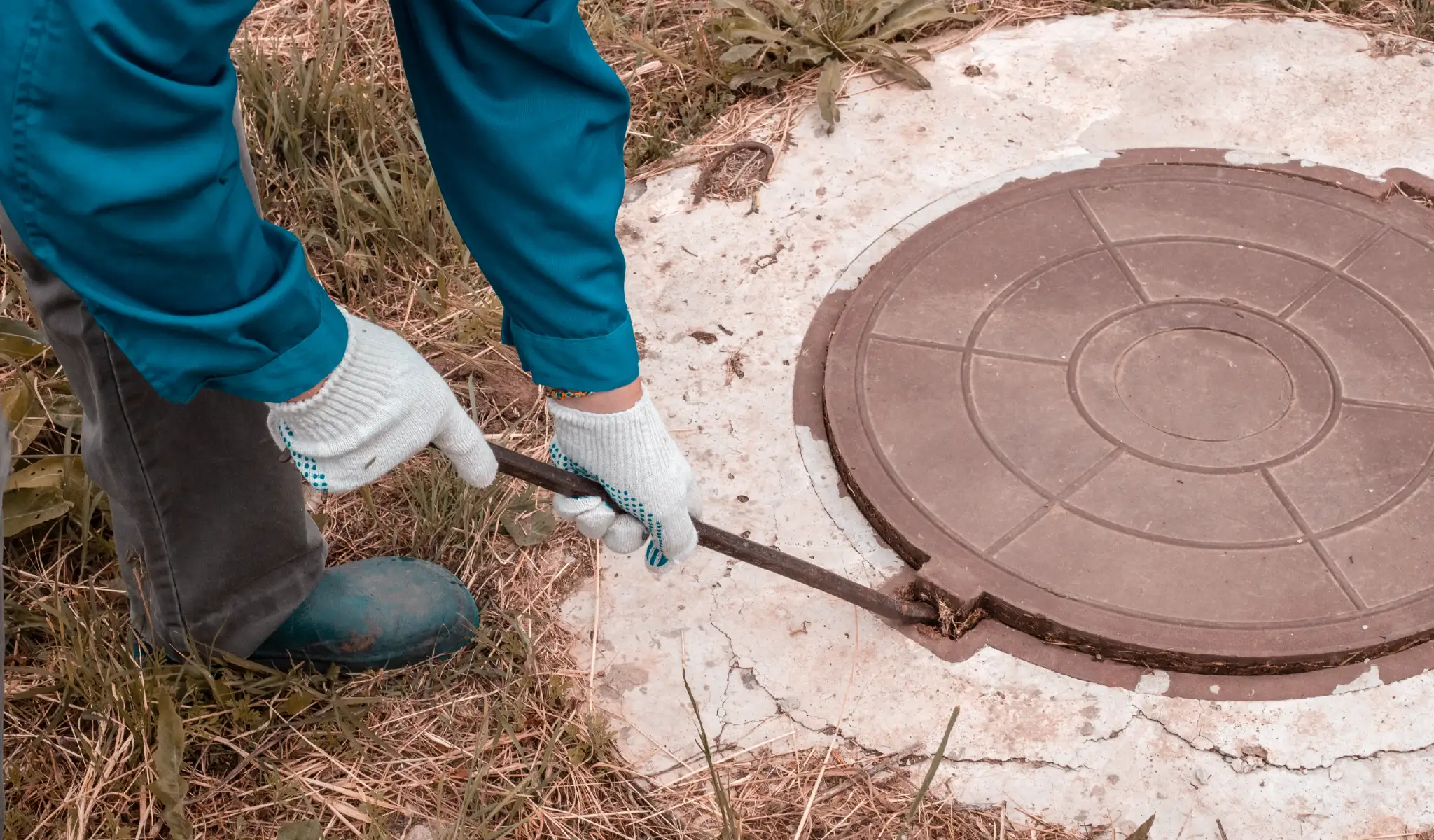
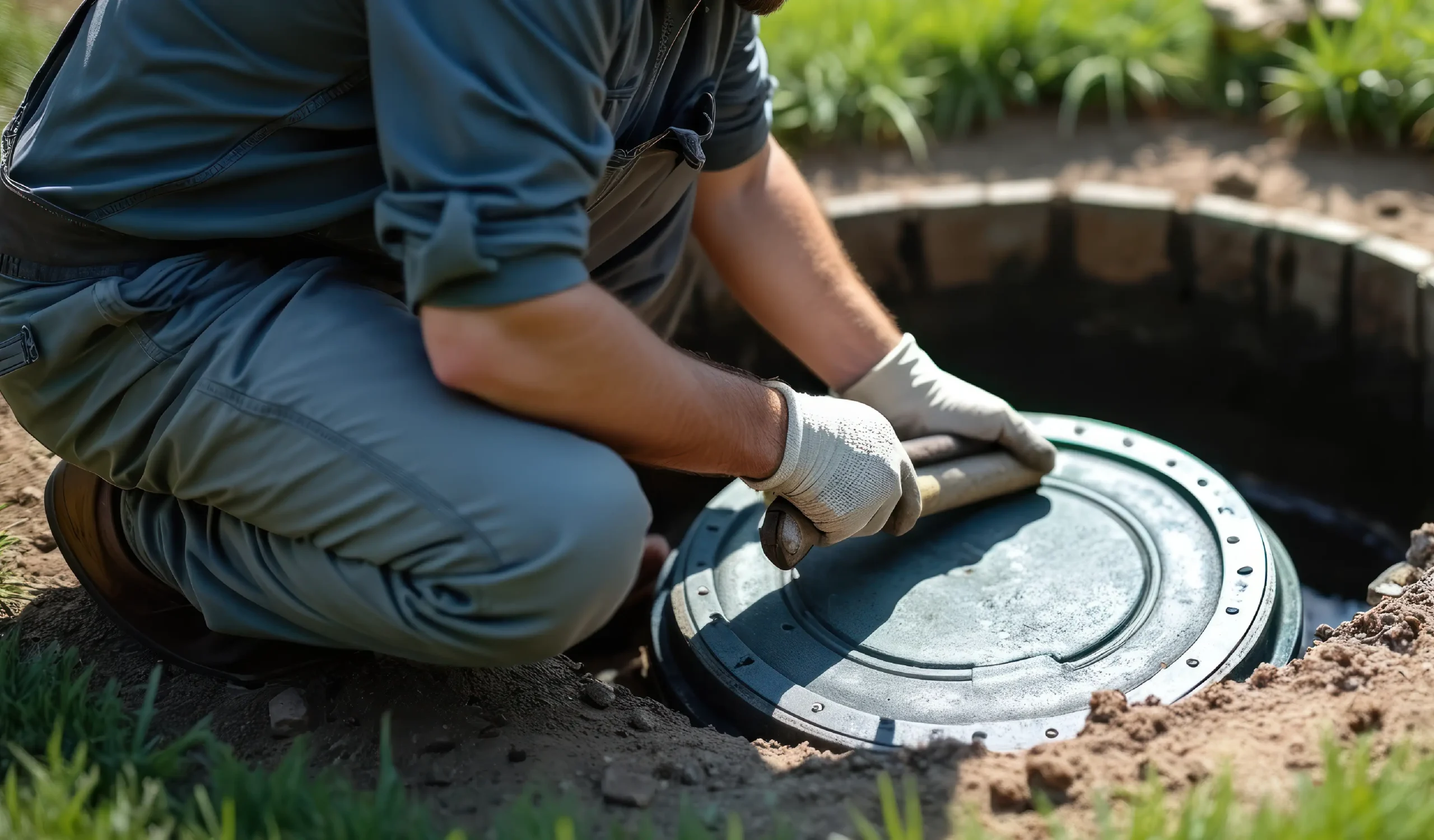
Your inspector will open up the tank to check the following:
- Sludge levels
- Scum buildup
- Signs of leaks
- Cracks or structural damage
- Corrosion
- Proper water levels
Inspectors also look for signs the tank may not have been pumped regularly. The EPA says most septic tanks should be pumped every 3–5 years depending on household size and usage.
Checking Baffles
Baffles direct wastewater flow from the tank, preventing solids from entering the drain field. When they go missing or are damaged, solids may escape into the system and clog the drain field.
Inspectors check for:
- Broken inlet or outlet baffles
- Clogged effluent filters
- Excessive sludge movement
- Improper wastewater flow
Evaluating the Drain Field
The drain field is one of the most important—and expensive—parts of a septic system. After wastewater leaves the septic tank, it flows into the drain field where soil naturally filters and treats the liquid.
Inspectors will check the drain field for:
- Standing water
- Soggy soil
- Sewage odors
- Unusually green grass
- Surface pooling
- Poor drainage
If signs of failure are detected, it’s important to get the problem repaired right away. Risks of a failing drain field often indicate:
- Soil saturation
- Pipe blockages
- System overload
- Root intrusion
- Long-term neglect
Unfortunately, drain field replacement is very expensive, so it’s best not to let it get to that point. The EPA notes that maintaining septic systems regularly can help homeowners avoid repair or replacement costs ranging from $5,000 to $15,000 or more.
Looking for Leaks & Backup Signs
Sometimes wastewater leaks improperly throughout the system, leading to blockages, overloaded systems, or failing components. Common warning signs include:
- Sewage odors indoors or outdoors
- Slow drains
- Gurgling pipes
- Sewage backups
- Wet spots near the tank
- Water around inspection ports
Persistent odors and slow drains are often the first signs that your septic system needs attention.
Don’t wait for backups to occur. The above signs are telling you that there are developing problems underground.
Reviewing System Age & Maintenance History
Your inspector will want to know how old the septic system is and what the maintenance level has been. They will review:
- Pumping records
- Previous inspections
- Installation permits
- Repair history
- System size and design
Your Springfield septic inspector will more closely evaluate older systems that may be approaching the end of their lifespan. That’s because aging tanks, pipes, and drain fields naturally deteriorate over time.
Your inspector may also ask if you’ve put on any additions to the home—such as extra bedrooms or bathrooms—which may increase wastewater demand beyond the system’s original design capacity.
Inspecting Pumps & Electrical Components
Pumps, alarms, and electrical controls help wastewater move properly through many modern systems. Sept tank inspectors in Springfield, Ohio, will keep a close eye on:
- Pump operation
- Float switches
- Alarm systems
- Electrical connections
- Control panels
Mechanical failures can prevent wastewater from flowing correctly and may lead to backups or flooding.
Flooding & Environmental Concerns
Heavy rain and flooding can strain septic systems. The CDC warns that flooding can damage septic systems and increase the risk of untreated wastewater exposure.
Paying special attention to homes in low-lying or flood-prone areas, septic tank professionals will look for signs of:
- Soil oversaturation
- Flood damage
- Drain field erosion
- Groundwater intrusion
8 Common Problems Miami Valley Septic Inspectors Find
Many septic problems develop gradually over time and aren’t obvious to homeowners until the situation becomes an emergency. Early detection is key.
Here’s a look at the eight most common septic issues discovered during inspections:
- Overdue tank pumping
- Cracked tanks
- Drain field saturation
- Tree root intrusion
- Broken baffles
- Pipe blockages
- Improper system sizing
- Leaking lids or risers
FAQs: Septic System Inspections
Q: How often should a septic system be inspected?
A: Septic inspections should take place every 1–3 years depending on the system type and household usage.
Q: What are signs my septic system may be failing?
A: Common warning signs include sewage odors, slow drains, standing water, gurgling pipes, and sewage backups.
Q: Does a septic inspection include pumping?
A: Not always. It depends on the inspection type and local requirements. Some inspections involve pumping the tank, while others only evaluate the system’s condition.
Q: Can a septic system pass inspection if it’s old?
A: Yes. Older systems can still function properly if they have been maintained correctly and are structurally sound.
Q: Why is the drain field so important?
A: The drain field filters and disperses wastewater into the soil. If it fails, wastewater may back up into the home or surface in the yard.
Q: Can heavy rain affect a septic inspection?
A: Yes. Excessive rain or flooding can temporarily saturate the soil and affect drain field performance during an inspection.
Septic Inspections: Protecting Your Home & Property
Septic inspections are designed to protect your home, health, and property value. Because most septic components are hidden underground, inspections help uncover problems that Springfield homeowners may not notice until significant damage occurs. From checking tank conditions to identifying leaks and blockages, a thorough septic inspection helps ensure your system operates safely and efficiently for many years to come.