A properly functioning septic system is vital to maintaining a healthy home environment. You may not think much about your septic system unless it gives you a problem, but it’s no doubt an important component of your property’s infrastructure. Whether you’ve had a septic system on your property for decades or you’re a new homeowner, when you understand the parts of your septic system, you can pinpoint problems early on to avoid costly repairs.
Today we’ll go over the main components of a standard residential septic system in Dayton OH and how each part enhances overall operation.
Septic Tank
Acting as the primary treatment stage, the septic tank is the most recognizable part of your system. It’s probably what you visualize when you think “septic system”. This large watertight container – made from concrete, fiberglass, or polyethylene — is buried underground near your home.
Its main duty is to take in all wastewater from the household, including water from sinks, toilets, showers, dishwashers, and laundry machines. Once inside the tank, this waste water separates into three distinct layers:
- Scum (top): Oils, grease, and lighter solids float on top.
- Effluent (middle): This is the liquid portion that flows to the drainfield or leachfield.
- Sludge (bottom): The heavier solids settle at the bottom.
While bacteria do a decent job of breaking down solid waste, you still need regular septic tank pumping in Springfield to remove the sludge and scum. Most septic tanks should be pumped out every three to five years, depending on the size of the tank and your family’s usage.
Inlet and Outlet Baffles
Septic tanks have one baffle at the inlet and another baffle at the outlet to not only control the flow of wastewater, but to also ensure efficient separation of solids and liquids.
- Inlet Baffle: Slows incoming wastewater so settling layers don’t get disturbed.
- Outlet Baffle: Prevents floating solids from getting out of the tank and heading to the drainfield, where it could cause a clog.
Common in older systems, sometimes baffles suffer damage or deterioration. In that case, they will need to be replaced or else system backups could result.
Effluent Filter
Modern septic systems feature an effluent filter attached to the outlet baffle. Its main duty is to prevent fine particles from flowing into the drainfield. You will need to have these filters occasionally cleaned, usually during your regular tank pumping appointments. Ignoring problems with the filter can lower efficiency and increase the risk of damage to the drainfield.
Distribution Box
Also known as the D-box, the distribution box is a small component found between the septic tank and the drainfield. It is responsible for evenly distributing the effluent to multiple drainage lines so that no particular line gets overloaded with wastewater.
Drainfield
Also known as the leachfield, the drainfield is the final treatment and dispersal area of your septic system. Comprised of perforated pipes placed in gravel-filled trenches, the pre-treated effluent will then seep into the surrounding soil. From there, nature will take its course and break down any remaining contaminants.
The soil must be unsaturated and permeable so as to properly absorb wastewater. Clay-heavy soils and poorly drained land can impact drainfield design and performance.
Soil and Groundwater Interface
This the final stage of treatment, and it occurs in the soil layer beneath the drainfield. This is where microorganisms take over to remove harmful bacteria, viruses, and nutrients before they can reach the groundwater.
Alternative Systems and Add-ons
Not every property is a good candidate for a conventional septic system. In areas where the soil is dense or there is limited space, homeowners may have to rely on aerobic treatment units (ATUs), mound systems, or sand filters.
- ATUs: With ATUs, oxygen is added to the treatment process to help with bacterial activity and more effectively break down waste.
- Mound systems: This is when the drainfield is elevated with sand and gravel to bring filtration above ground level.
- Sand filters: These filters augment the soil’s natural filtering capacity when otherwise limited.
Access Risers and Inspection Ports
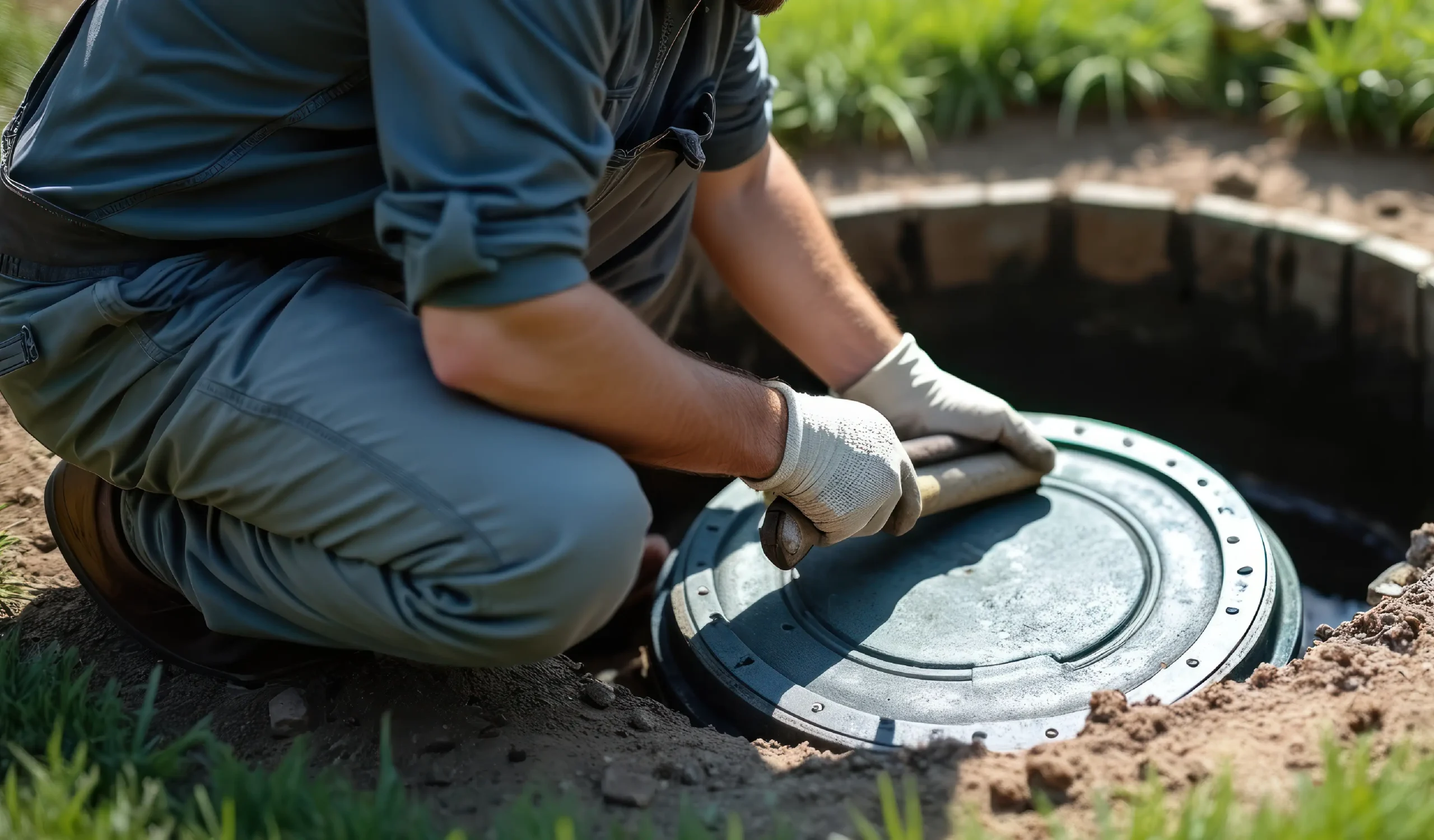
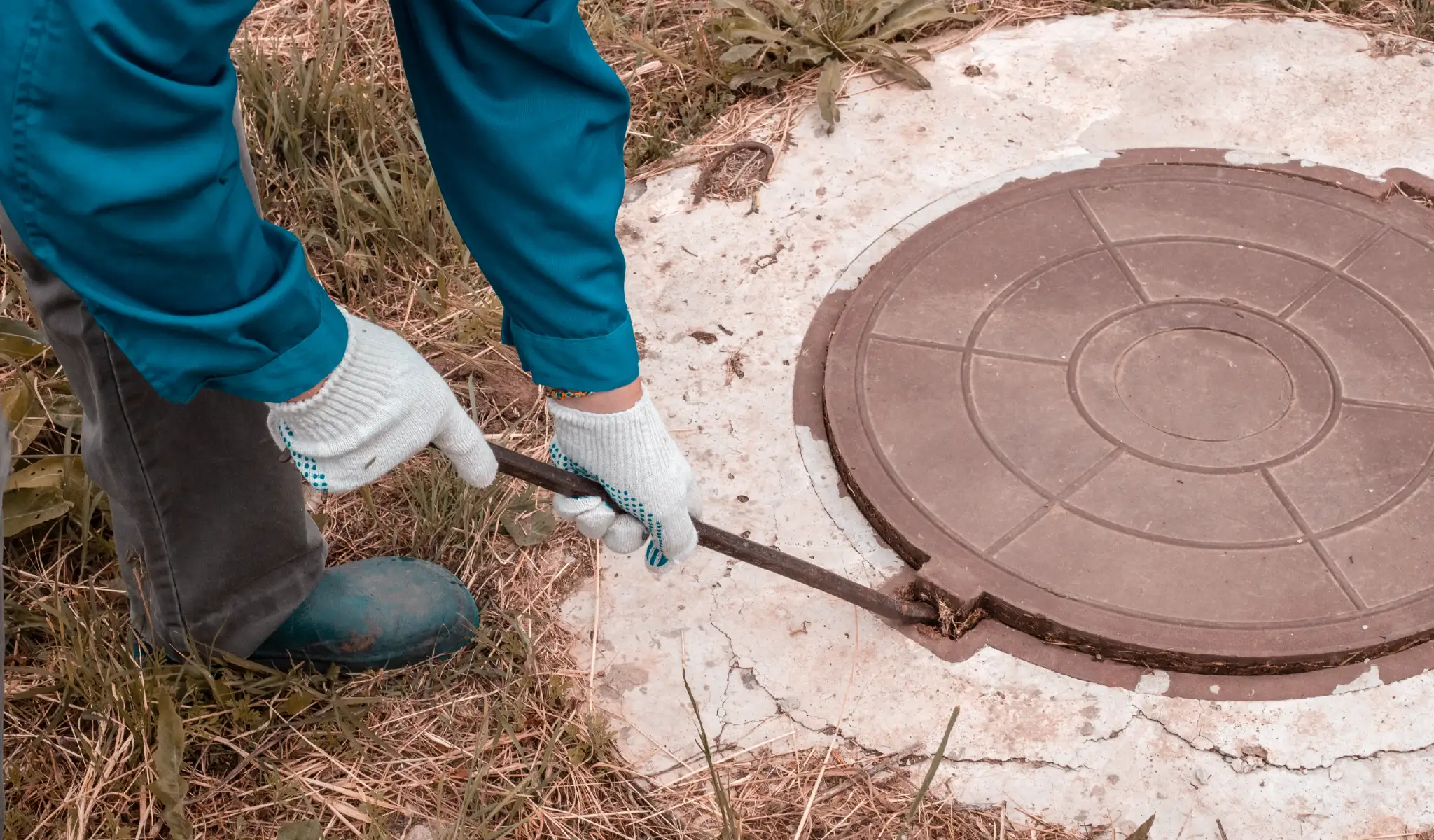
Risers and inspection ports elevate access points up to ground level so technicians can more easily check sludge levels, clean the filters, or pump the tank. They are more common in modern systems.
Ventilation and System Alarms
Proper ventilation in your system allows gases to escape and maintain aerobic activity. Today’s modern systems have alarms that alert homeowners to potential issues, from pump malfunctions to high water levels.
Understanding Your Septic System: Protecting Your Investment
Knowing how your septic system works will help you protect your investment and maintain a healthy environment for your Springfield OH property. This is especially important in this region, where soil types and seasonal weather changes can have an effect on system function.
From the tank to the leachfield, recognizing the function of each component helps you monitor your system’s health and extend the life of your septic system.