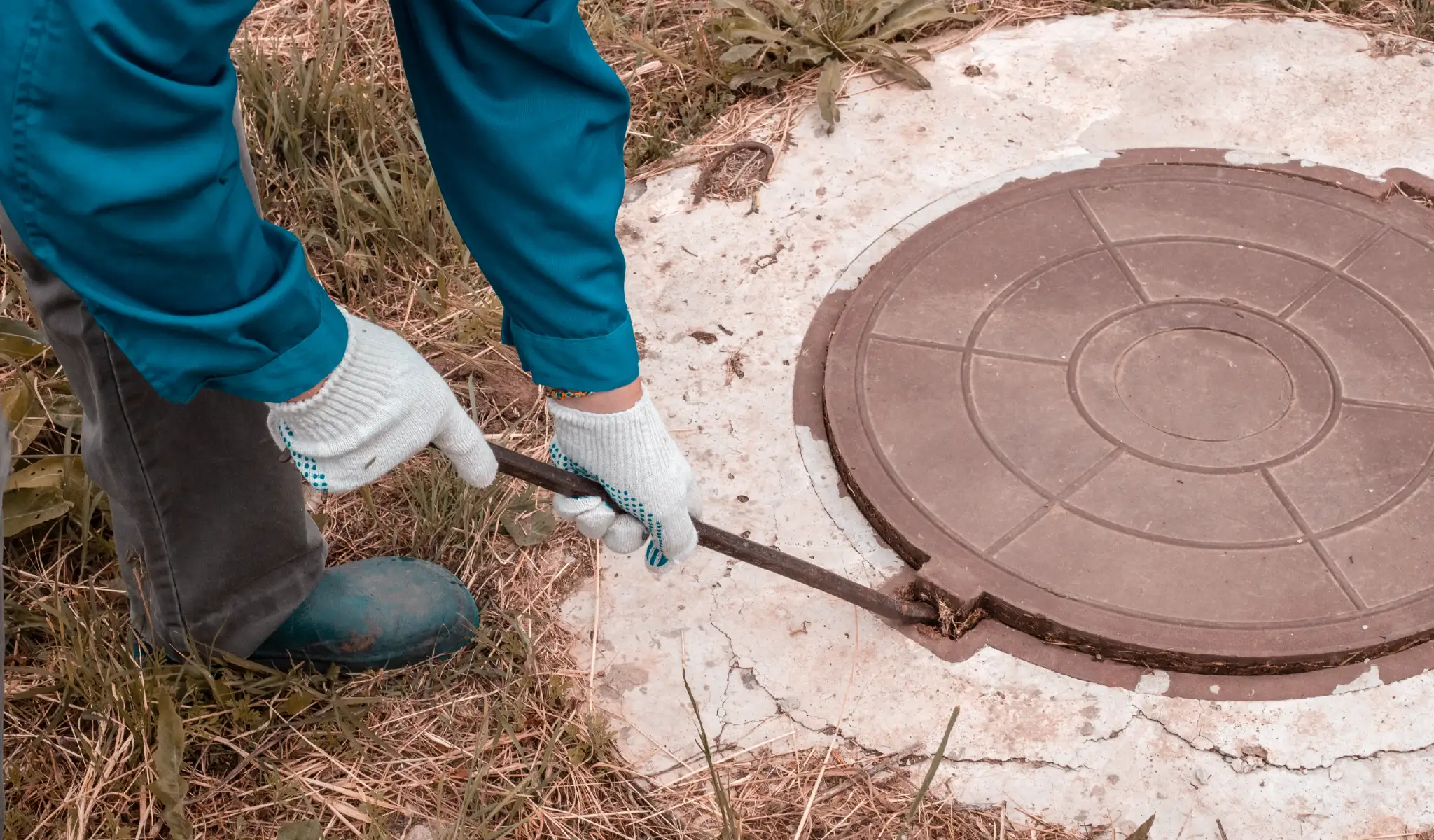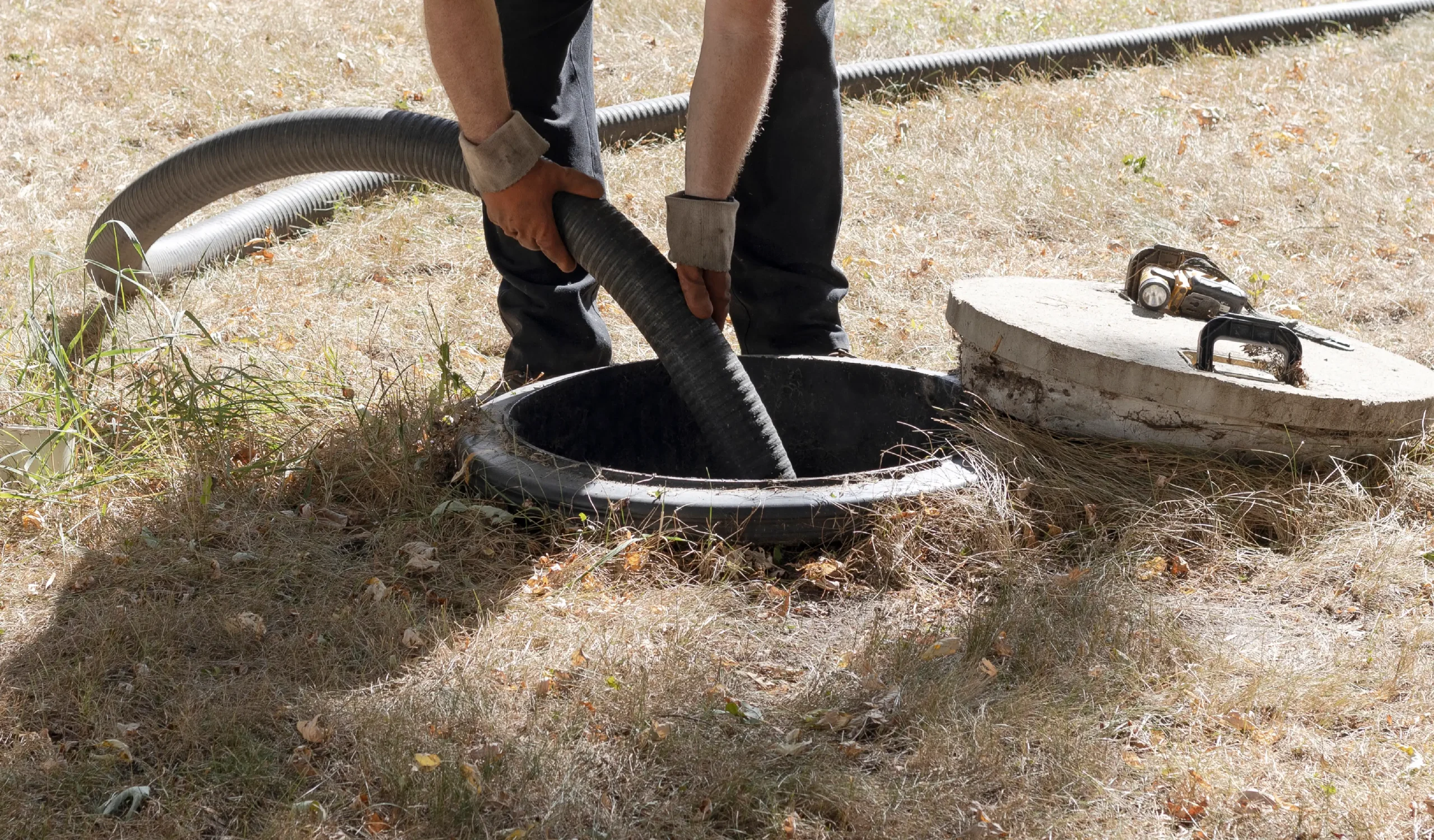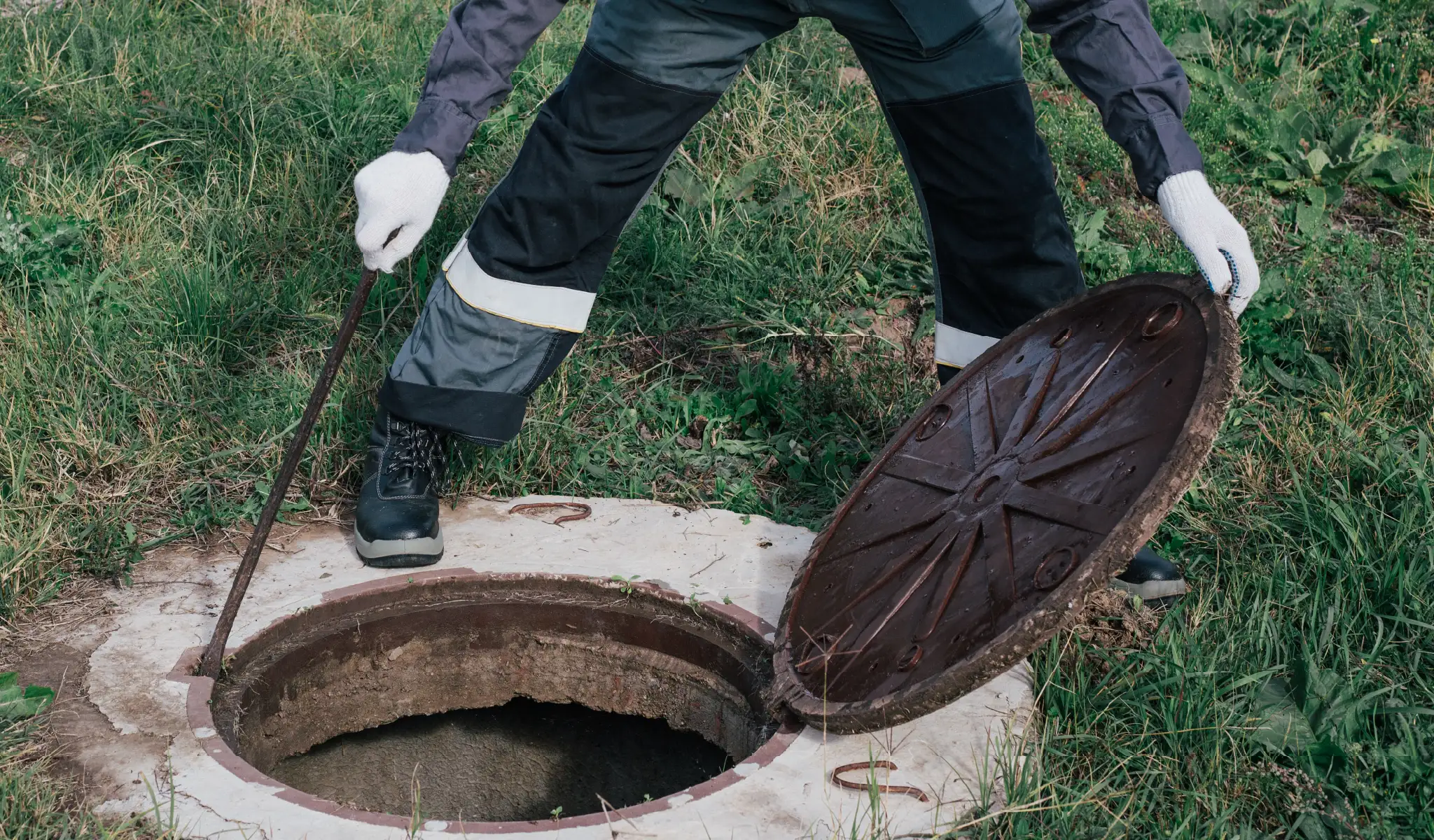
Key Takeaways
- Schedule regular inspections every 1–3 years to catch issues early.
- Get your septic tank pumped every 3–5 years.
- Improper waste disposal is a top cause of system failure.
- Water usage directly impacts system performance.
- Neglecting maintenance can lead to thousands of dollars in repairs.
- Routine care can extend system lifespan beyond 30–40 years.
If you own a home with a septic tank, chances are you don’t think about it very often. After all, it’s out of sight and out of mind, right? But when things start to go wrong—perhaps a backup or a mushy drainfield—your septic tank’s health becomes an immediate priority. The good news is, with proper maintenance and regular service by a trusted septic tank company in Springfield, Ohio, your septic system can last for decades.
How Does Your Septic System Work?
First, it’s helpful to understand what type of system you have and how it works. Acting as your home’s private wastewater treatment plant, your septic system comprises a septic tank and a drainfield (also called a leach field). Wastewater from your home flows into the tank, where solids settle (sludge) and oils float (scum). The remaining liquid effluent then flows into the drainfield for natural filtration.
Natural bacteria within the system break down waste. Most times, this is an efficient process, but sometimes buildup and blockages can result in failure when regular maintenance is neglected.
Importance of Septic Tank Maintenance
Ignoring what your septic system is trying to tell you isn’t just risky, it’s expensive. In fact, spending a few hundred dollars every few years on maintenance is far cheaper than shelling out $5,000 to $15,000 or more for complete system replacement, says the U.S. Environmental Protection Agency (EPA).
Regular maintenance can prevent:
- Sewage backups into your home
- Contaminated groundwater
- Foul odors
- Soggy yards
- Reduced property value
Regular maintenance is a bargain compared to the cost of replacing a malfunctioning system.
How Often Should You Pump Your Septic Tank?
Many factors will determine how often you should pump your Miami Valley septic tank, from household and tank size to water and garbage disposal usage. Here are some general guidelines:
- Inspection: Every 1–3 years
- Pumping: Every 3–5 years
For example, a larger family or smaller tank may require more frequent pumping every 2–3 years.
Lack of regular maintenance and pumping can have negative consequences. Research shows that 30% of septic systems are not pumped regularly, increasing failure risk, and 25% of failures are linked to lack of maintenance. Fortunately, you can prevent these problems from happening as a responsible Springfield homeowner.
Smart Everyday Habits That Protect Your System
Proper septic maintenance goes well beyond just getting the tank pumped every few years. You need to commit to some smart daily habits as well for long-term success.
1. Flush Only Approved Items
The EPA recommends flushing only human waste and toilet paper.
Do not flush these household products:
- Wipes (even “flushable” ones)
- Grease and oils
- Coffee grounds
- Chemicals and medications
2. Use Water Efficiently
Too much water can overwhelm your system before solids have time to settle.
Excessive water use can push solids into the drainfield, leading to clogs and failure.
Here are some tips:
- Don’t do multiple loads of laundry on one day; instead, spread them throughout the week.
- Fix leaks promptly so they don’t worsen.
- Install high-efficiency fixtures to save money on water usage and costs.
3. Protect Your Drainfield
Your drainfield’s primary job is to filter wastewater. When that system is damaged, it can be very expensive to fix. To prevent this from happening, DO NOT:
- Park vehicles on it
- Plant trees nearby, as roots can invade pipes
- Build structures over it
4. Limit Garbage Disposal Use
Garbage disposals greatly increase solid waste buildup in your tank, thus increasing the frequency of pumping.
5 Signs Your Septic System Needs Attention
Rarely does a complete failure happen out of the blue. Be diligent and keep an eye out for these early warning signs:
- Slow drains or gurgling pipes
- Sewage odors indoors or outdoors
- Pooling water near the drainfield
- Unusually lush grass over the system
- Backups in toilets or sinks
If you notice any of the above, the smart move is to schedule service with a professional septic tank technician in Springfield.
How Long Will My Septic System Last?
With proper care and maintenance, you can expect your septic system to last decades, with regular inspections and pumping being the biggest drivers in extending lifespan.
- Average lifespan: 20–30 years
- Well-maintained systems: 40+ years
Pro Tips for Long-Term Septic Health
It can be easy to forget about your septic tank on a daily basis. But smart Miami Valley homeowners will keep these pro tips in mind:
- Keep detailed maintenance records
- Schedule inspections
- Be proactive rather than reactive
- Test well water regularly
- Divert rainwater away from the drainfield
- Avoid septic additives unless recommended by a professional
FAQ: Septic Tank Maintenance in Springfield, OH
Q: How do I know when my septic tank is full?
A: You may notice slow drains, odors, or pooling water. However, the most reliable way is through a professional inspection that measures sludge and scum levels.
Q: Can I pump my septic tank myself?
A: This is not advised. While some homeowners attempt DIY pumping, this should only be handled by licensed professionals due to safety risks and the need for proper waste disposal.
Q: Are septic additives necessary?
A: Additives are not recommended as a substitute for pumping. Natural bacteria already exist in the tank and function effectively with proper care.
Q: What happens if I never pump my tank?
A: Solids will eventually overflow into the drainfield, causing clogs, backups, and system failure, often requiring expensive replacement.
Q: Is septic maintenance really that important?
A: Yes. Neglect can lead to environmental contamination and costly repairs.
Q: How many people have septic tank systems?
A: The EPA says more than one in five U.S. households (about 20 percent) rely on septic systems.
Consistency Is Key
Septic tank maintenance requires a commitment to consistency. By scheduling regular inspections and pumping, coupled with smart daily habits, you can avoid major headaches and extend the life of your septic system significantly.