Key Takeaways
- Septic cleaning is a critical step in maintaining system performance and preventing backups.
- A professional cleaning includes inspection, pumping, sludge removal, and system assessment.
- Cleanings take between one and two hours, depending on tank size and condition.
- Routine cleanings can extend the lifespan of your septic system.
- Homeowners should not use additives or try DIY cleanings in place of professional service.
If you have a septic system, the importance of regular maintenance can’t be understated. You may know this already, but you what you may not know is what happens during a professional septic tank cleaning in Dayton OH. It’s actually quite a complex and detailed process that involves more than just pumping out waste. It can be helpful to familiarize yourself with the process so you can take better care of your system and prevent costly repairs down the line.
Step 1: Access the Septic Tank
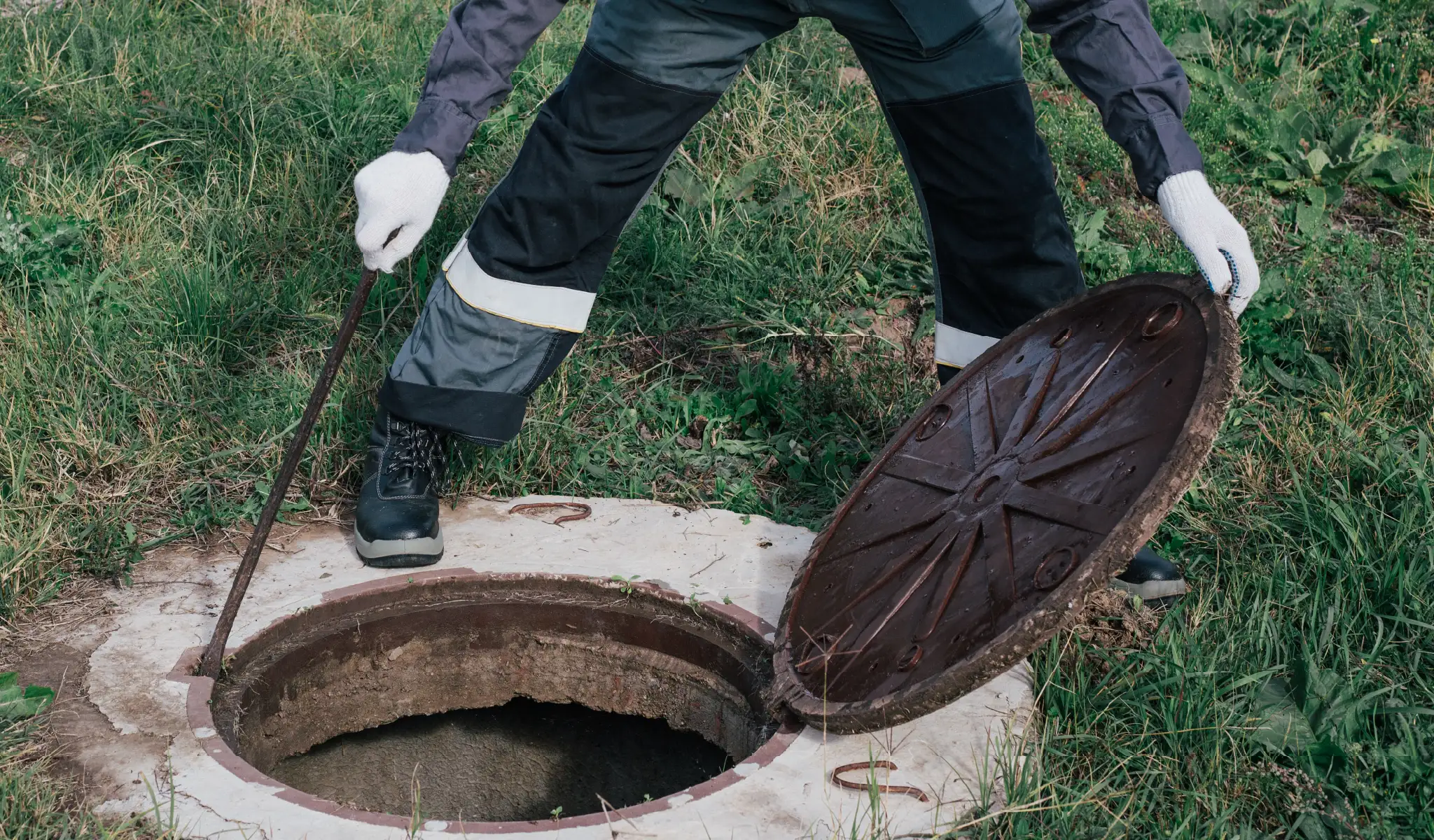
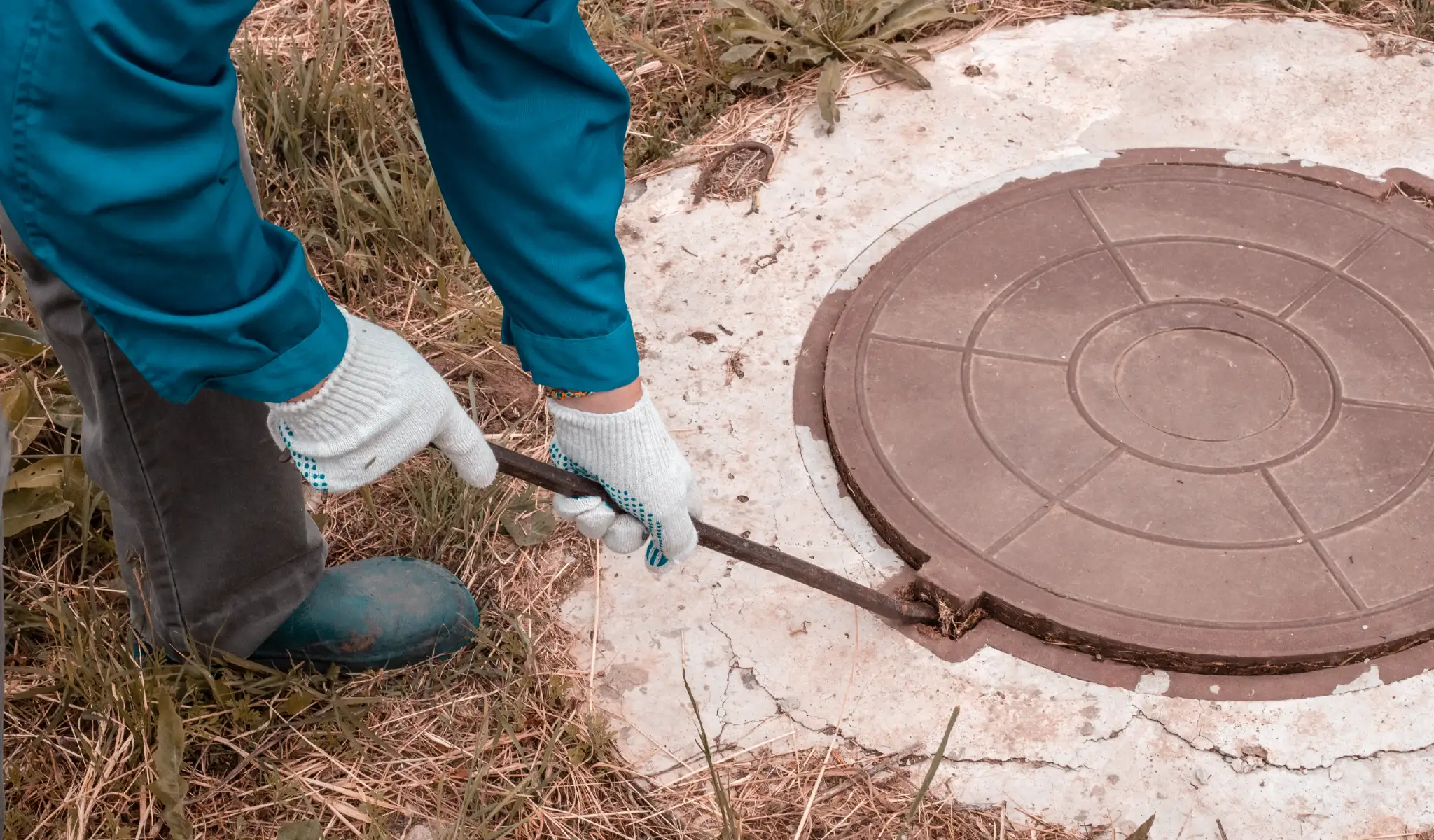
The first step begins with the technician locating and accessing your tank. Most septic systems are buried in the front or back yard. Once you direct them to the area, they can dig up the access lid to get to the tank. To make it easier for access each time, some homeowners install risers to avoid the need for digging or searching.
Next, the technician will open the lid and assess the condition of the tank, taking note of liquid levels and whether there are signs of backup or failure.
Step 2: Initial Inspection
Before pumping out waste, your technician will perform an initial inspection to:
- Check scum and sludge levels
- Look for structural issues such as cracks or root intrusion
- Examine the baffles and tees (these prevent solids from flowing into the drain field)
- Take note of any unusual odors or signs of malfunction
Armed with this knowledge, the technician can then determine if the tank is properly functioning and if it needs more than routine cleaning.
Step 3: Pump the Tank
Next, the technician will pump out the tank with a vacuum truck to remove three main layers:
- Scum (oils, fats, and lighter solids floating on top)
- Effluent (the liquid in the middle)
- Sludge (heavy solids that sink to the bottom)
Septic tank cleaning is different than a basic pumping job, as it is designed to remove all layers, not just the liquids on top.
Step 4: Break Up and Remove Sludge
The layer of sludge layer at the bottom hardens or compacts over time. If your technician notices this, they will break up the sludge with special tools or water jets. Only then can the sludge be removed with no buildup remaining. This will ensure proper flow and storage going forward.
Step 5: Rinse and Final Inspection
Next, the technician will rinse the tank with clean water to dislodge any debris that remains. This step shouldn’t be skipped, particularly if it’s been many years since you have had your tank pumped.
After rinsing, the technician will perform one last inspection to make sure everything looks good. They may recommend next steps to homeowners if necessary, such as repairs or adjustments.
Step 6: Documentation and Maintenance Tips
After service completion, the homeowner then receives a report that outlines what the technician found during the cleaning, taking note of:
- Date of cleaning
- Tank condition
- Any recommendations or red flags
- Suggested date for next service (on average, every three to five years)
Your septic tank professional in Springfield OH will then give you some tips on how to care for your system in the future, such as water usage and waste disposal tips. They may also give you an idea of early warning signs of septic issues to be on the lookout for.
Septic Tank Cleaning: Timeline
On average, a professional septic cleaning in Dayton OH takes between one and two hours. This will depend on the size of the tank and its condition, as well as how difficult the tank is to locate initially. It may take longer to service older systems or tanks that haven’t been pumped in several years.
Be sure to stay on top of regular cleanings and maintenance to prevent:
- System backups
- Foul odors
- Slow drains
- Full system failure
Regular professional cleanings are recommended every three to five years. You may need to get your tank cleaned more frequently if you have a large household with high water usage. Regular cleanings are essential in extending the lifespan of your system while avoiding emergency repairs that can cost thousands.
While septic tank cleaning in Springfield OH is performed by a trained professional, it’s still helpful for homeowners to be familiar with the process.