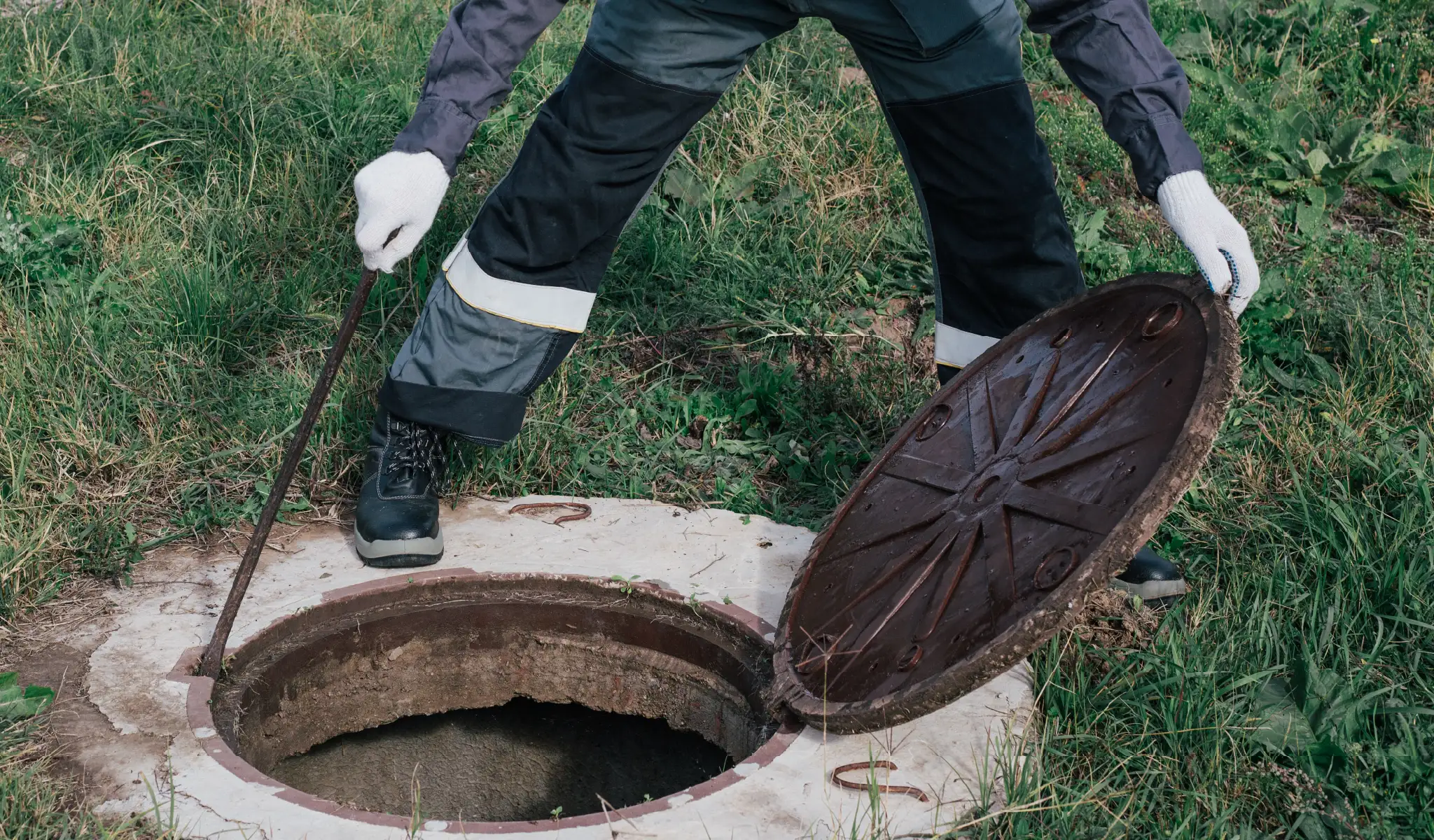
Aerobic septic systems offer a more effective and eco-friendly alternative to traditional anaerobic systems, revolutionizing wastewater treatment for homes and businesses. In a nutshell, an aerobic septic system is designed to break down and purify organic matter in a faster and more efficient manner than its anaerobic counterpart.
The main difference between the two types is the presence of oxygen in the septic tank. Aerobic systems use oxygen to break down waste, while anaerobic systems operate without oxygen and rely on bacteria that are able to survive without it.
Put another way, aerobic and conventional septic systems both utilize bacteria to break down waste. With aerobic septic systems, the bacteria are oxygen-dependent and must be in contact with air. In conventional systems, the bacteria are oxygen-independent and can function without contact with air. To that end, aerobic tanks are best when located beneath the ground, as there is more space for air to circulate around and inside the tank.
Choose a provider that’s skilled and experienced in aerobic septic systems in Springfield OH and beyond. Miami Valley Septic Service would be happy to go over the pros and cons of such as system when we visit your property for a consultation.
Benefits and Drawbacks of Aerobic Septic Systems
Aerobic septic systems have a variety of advantages and disadvantages that we will explore today.
Pros:
- Better Treatment: Offering exceptional wastewater treatment, aerobic systems have a lower environmental impact with cleaner effluent. This translates to a less likelihood of groundwater contamination. If you live in a region with a high water table, an aerobic septic system can help you avoid water pollution.
- Lower Risk of Odors: Aerobic systems produce fewer odors compared with anaerobic systems, thanks to the enhanced treatment process.
- Smaller Footprint: The compact design of these systems makes them ideal for properties with limited space, resulting in more flexible installation options.
- Environmental Friendliness: The effluent produced by aerobic systems is less harmful to the environment, ensuring a greener choice. Also, the water you use for laundry or showers is recycled to water your lawn. As the water moves through the system, it is treated and then recycled.
- Longevity: Properly-installed and well-maintained aerobic septic tanks can last up to 40 years. You’ll need to engage in regular septic tank cleanings and inspections to ensure it fulfills this lifespan, however.
- Requires Little Space: How big your tank is will be determined by the number of occupants in your home. If you have a large family yet limited space, aerobic septic systems are ideal because they don’t need a lot of space to function.
- More Efficient at Breaking Down Household Waste: Aerobic septic systems break down solid waste faster than anaerobic systems, which prevents the waste from accumulating to alarming levels. As a result, you don’t have to pump your tank as frequently.
- Suitable For All Types of Land: You can install an aerobic septic system on all land types. In contrast, other types of septic systems cannot be used in areas with high groundwater. So despite the kind of soil you have on your property, an aerobic septic system will be suitable for your needs.
- Saves You Money: Because aerobic septic systems treat most of the wastewater inside the tank, your drain field doesn’t require frequent repair, saving you money.
Cons:
- Initial Cost: Aerobic septic systems cost more up front to install than anaerobic systems. However, they last longer, so over time, you will recoup your money.
- Increased Maintenance: Aerobic systems need regular maintenance because of their specialized mechanical components.
- Energy Dependency: Because these systems rely on electricity to power the aerators and pumps, they are at risk of power outages, during which these components may stop functioning. This could cause backups or system failure, which is why it’s recommended to install a backup power source such as a generator to prevent this from happening.
- Compliance Regulations: Your area may have stricter regulatory requirements for installation and maintenance of aerobic systems than anaerobic systems.
- Sludge Buildup: Sludge can accumulate over time in the clarification chamber. To ensure continued efficiency, periodic septic pumping and sludge removal will be necessary.
- Overloading: If you overload the system with excessive waste or water usage, the bacteria population can get overwhelmed, which may result in inefficient treatment.
In the end, aerobic septic systems are a more modern and cost-effective method of wastewater treatment, but it’s important to understand the pros and cons of these systems to ensure seamless operation. You must maintain them regularly for optimal performance while at the same time minimizing environmental impact.
Book Aerobic Septic System Installation With Miami Valley Septic Service Today
Here at Miami Valley Septic Service, we provide professional care for septic tanks, leach fields, and aerobic systems across Springfield, Dayton, and nearby areas. Call us to request a quote today for aerobic septic system repair and installation throughout the Miami Valley.