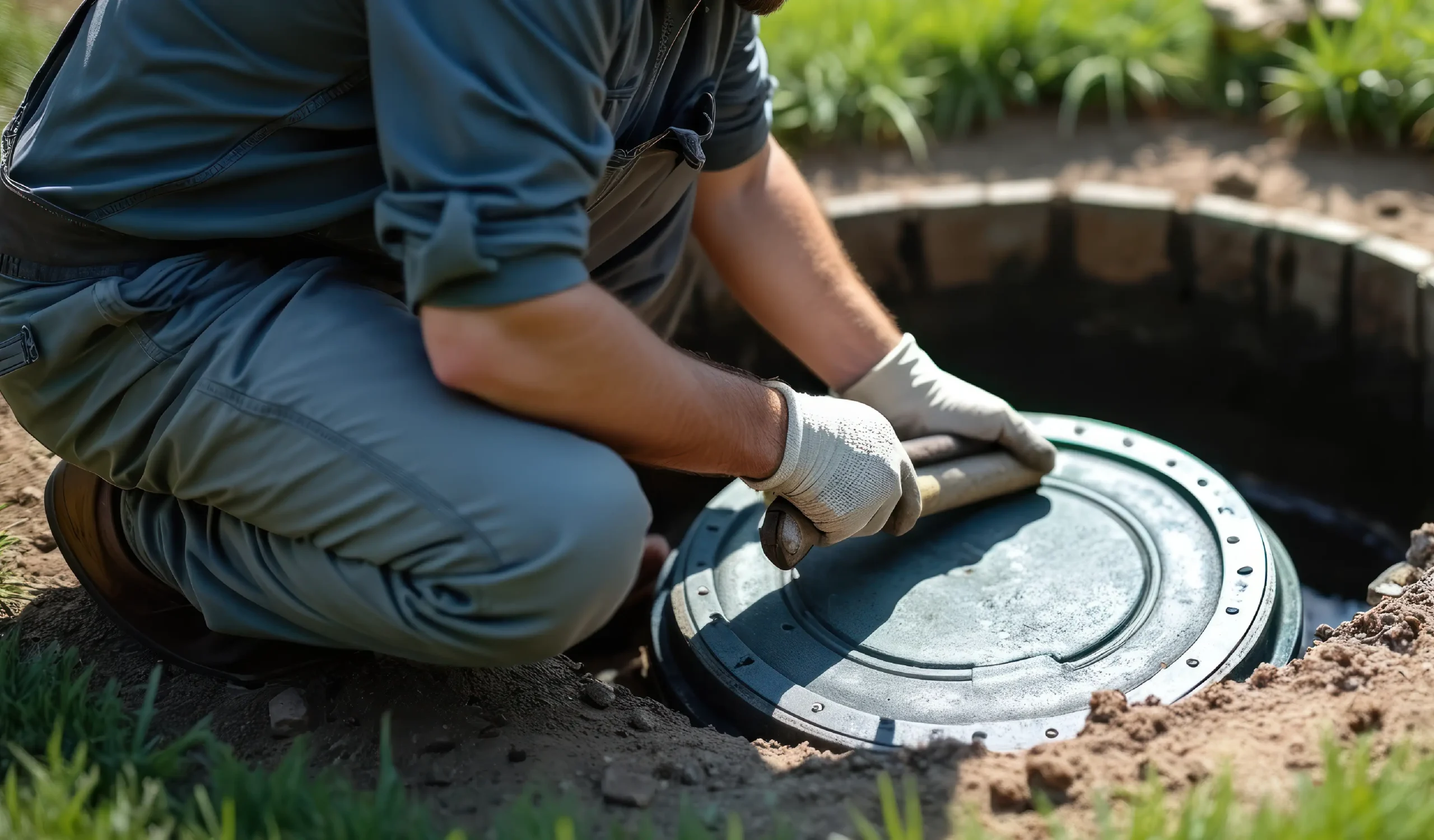
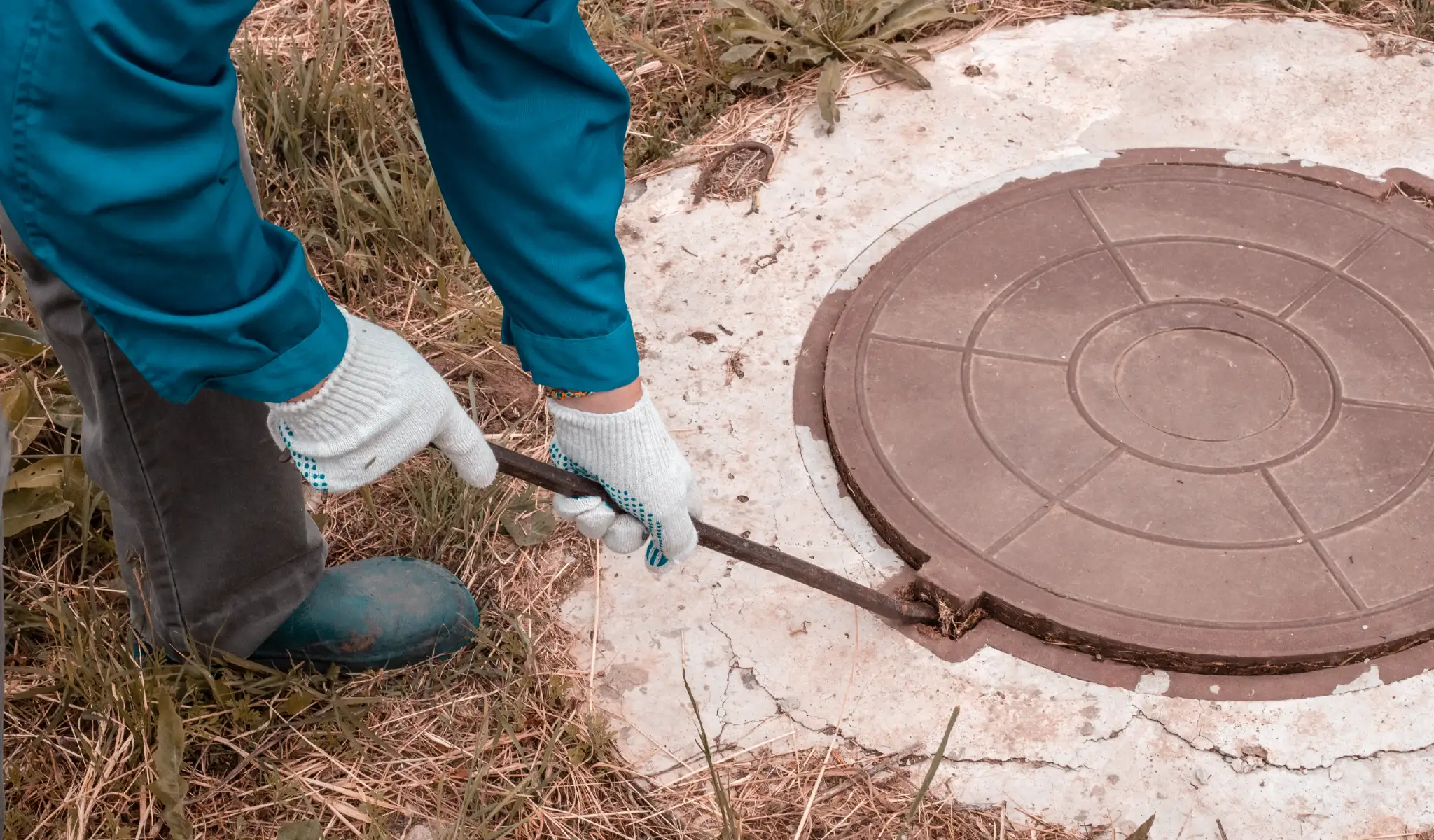
Key Takeaways
- Not every cracked septic tank requires full replacement; some cracks can be repaired but this will depend on size, location, and tank material.
- Hairline cracks or minor seepage can sometimes be sealed, reinforced, or patched by a Miami Valley septic professional.
- Structural cracks, leaking effluent, groundwater intrusion, and safety hazards usually require replacement in the interest of safety.
- Concrete, fiberglass, and plastic tanks act differently when cracked, influencing whether repair or replacement is better.
- A professional inspection will determine how severe the damage is and whether repairs will hold up over the long-term.
No homeowner wants to be faced with a cracked septic tank. However, a properly operating septic system is essential for sanitation and should be inspected periodically. It’s tricky to know there’s an issue with your tank when you never really see it due to its underground location.
When a crack in the tank is discovered, you may ask yourself: can it be repaired or does the whole thing need to be replaced? This will depend on many factors, including the type of tank, the severity of the damage, and whether the crack has affected the structural integrity of the system.
Here’s how to know the difference between when you can get by with a repair or when a replacement is in order. Your Dayton OH septic professional can help you make this determination.
A Look at Septic Tank Cracks
There can be many reasons why septic tanks crack, from shifting soil and improper installation to pressure from tree roots and freeze-thaw cycles. There are three main categories:
- Hairline: Small surface fractures that often form in older concrete tanks. They don’t always lead to leaks right away but can get worse with time.
- Minor: Allow a small amount of water to seep in or out but don’t generally cause structural failure.
- Structural: Larger, deeper cracks that weaken the tank or allow significant effluent leakage or groundwater intrusion.
The key is to not panic at every crack. Not all cracks are created equal and they don’t all signal tank failure.
When Septic Tank Repair Is an Option
Sometimes, it’s safe to just make a repair, especially when the damage is minimal and caught early.
Hairline surface cracks
Concrete tanks often develop small surface cracks with age. They may be able to be sealed with an epoxy or patching compound to prevent water infiltration and stop the crack from spreading.
Small leaks limited to the exterior surface
If the tank is structurally sound and only a small area is affected, your septic tank professional in Springfield may be able to patch the crack from the inside, seal the wall, or apply a waterproof barrier.
Cracks above the waterline
Cracks near the top of the tank, above the liquid level, can simply be monitored or sealed without replacing the entire tank.
Fiberglass or plastic tanks with localized damage
Fiberglass and polyethylene tanks crack differently than concrete, so if they suffer a small fracture or puncture, resin patches or thermal welding may be used. The condition of the tank overall will determine if this method can be relied on.
When Septic Tank Replacement Is Required
Some cracks are just too big or serious to be repaired. In the following cases, failure is imminent and your septic tank must be replaced.
Structural cracks that compromise stability
Significant cracking, bowing, or deterioration of the walls or base of the tank will require replacement. If left to weaken, the tank can collapse.
Cracks that leak effluent into the soil
When wastewater leaks out of a septic tank, it contaminates the surrounding area. This leads to environmental damage, groundwater pollution, and legal or health hazards. Replacement is the only safe and legal option.
Groundwater intrusion into the tank
Cracks can allow groundwater to enter the tank and overwhelm the system, flush solids into the drainfield, and cause long-term damage. If you are facing frequent pump-outs or unusually high water levels, this means groundwater intrusion has occurred and replacement is needed.
Multiple cracks or widespread deterioration
Older concrete tanks that suffer from repeated cracking, spalling concrete, or corrosion around reinforcing steel can’t be salvaged and should be replaced. Same goes for plastic or fiberglass tanks that have warped, buckled, or split.
Tanks that no longer meet current codes
Outdated tanks that are no longer permitted under local regulations must be replaced. This is especially so for metal septic tanks that are prone to rust and collapse.
Importance of Regular Inspection and Assessment
While a cracked septic tank does not automatically mean replacement, homeowners should never ignore warning signs. Early inspection and proper assessments by a Dayton OH septic tank company are necessary to determine the safest and most cost-effective solution.