You may not give much thought to what you put down your drains and toilets, but you may be surprised to learn how many common household products can negatively impact your septic system. Proper care and awareness can make all the difference in preventing costly and invasive repairs, as well as environmental damage.
Today we’ll tell you what you should know about your septic system and how everyday items in your home can affect its health and functionality. If you run into any problems with your septic system in Dayton OH, it’s important to call a professional at the first sign of trouble to avoid more serious issues.
A Look at Your Septic System
First, let’s talk about how your septic system works. In a nutshell:
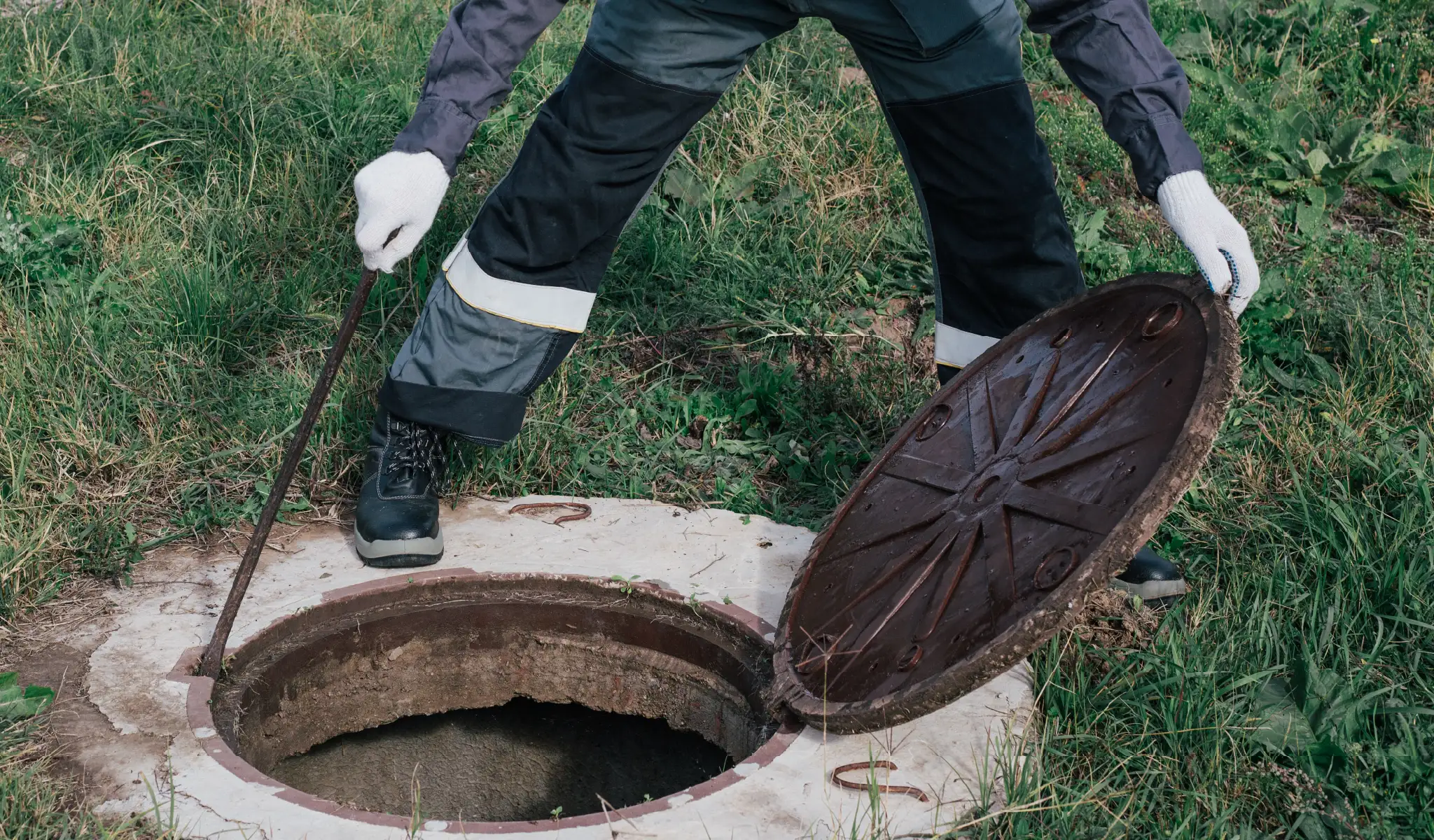
- A septic system is an underground wastewater treatment structure designed to treat wastewater from your plumbing system such as sinks, toilets, showers, and washing machines.
- It works by separating solids and liquids.
- The solids settle at the bottom of the tank, while the liquid (AKA effluent) flows into the leach field, or drain field.
- That is where it is naturally filtered by soil.
- Bacteria and enzymes break down the waste.
- If you introduce harsh chemicals or inappropriate household products into your tank, this will disrupt the delicate balance and eventually cause system failure.
What Household Products Can Harm Your Septic System?
From chemical cleaners to flushable wipes, here’s a list of what you should not use in your plumbing system.
1. Chemical Cleaners
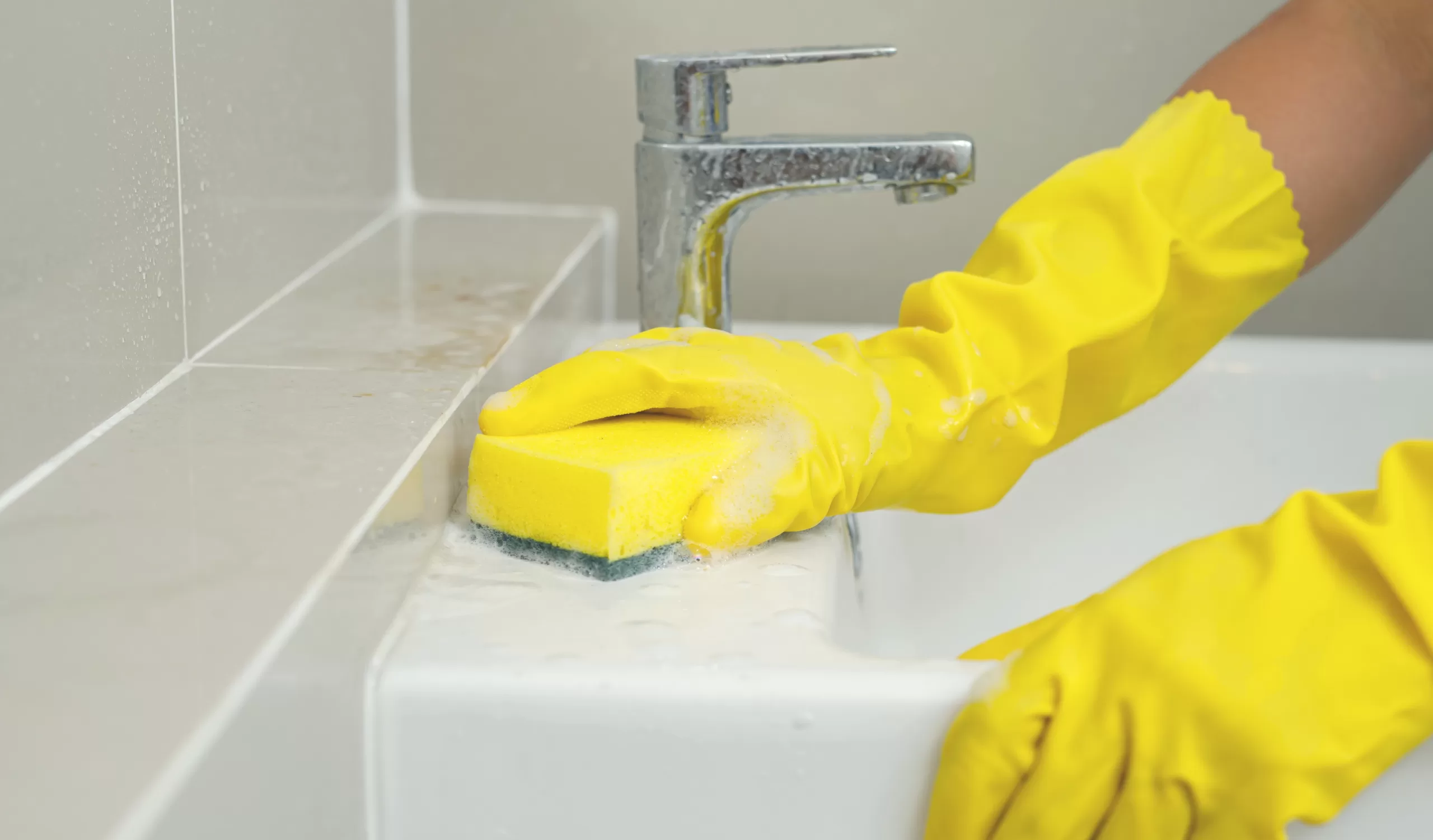
Your first choice when faced with a dirty bathroom or kitchen may be to grab the bleach or disinfectants for a sparkling clean job. However, these chemicals can do a lot of damage to your septic system, killing off the beneficial bacteria present in the tank. Their job is to break down waste, and when they can’t do their job, your tank suffers.
Stay away from chlorine bleach, ammonia, and antibacterial cleaners. Instead, go with septic-safe or biodegradable cleaners, and always read labels.
2. Flushable Wipes and Personal Care Products
The package may say “flushable” but these wipes should never be flushed. Because they can’t break down like toilet paper can, they can accumulate in the tank or clog up your pipes. In the same vein, avoid throwing feminine hygiene products, dental floss, paper towels, and cotton swabs down the toilet. Remember: you should only be flushing human waste and toilet paper.
3. Antibacterial Soaps
Antibacterial soaps throw the microbial balance in your septic tank off. Yes, you may like these products for their job of killing germs on hands, but the fact is that they also kill helpful bacteria in your system, rendering it less efficient. Go for regular soap instead, or seek out soaps that are specifically labeled as safe for septic systems.
4. Drain Cleaners
Store-bought drain cleaners are highly damaging to your septic system, as they contain strong acids or caustics that not only kill off beneficial bacteria but corrode pipes as well. See if a drain snake does the trick. If not, try a mixture of baking soda and vinegar, chased by hot water.
5. Laundry Detergents and Fabric Softeners
Powdered detergents have fillers that cannot break down in water, bringing the potential for clogs. Stay away from fabric softeners containing petroleum-based ingredients too, as they also hamper bacterial activity. Instead, look for liquid, phosphate-free, biodegradable detergents. Another idea is to use a natural alternative such as vinegar.
Heed These Tips For Smart Septic Use
Encourage every member of your household to adopt these healthy habits to ensure a healthy septic system in Springfield.
- Check labels: Be on the lookout for “septic-safe,” “biodegradable,” or “natural” labels on all personal care and cleaning products.
- Don’t use as much water: When you overload your system with too much water, solids can be flushed into the drain field. Spread out your laundry loads and install water-saving fixtures.
- Educate your household: Make it clear to family members the do’s and don’ts of what should go down the drain.
- Avoid treating your toilet like a trash can: Only human waste and toilet paper should be flushed.
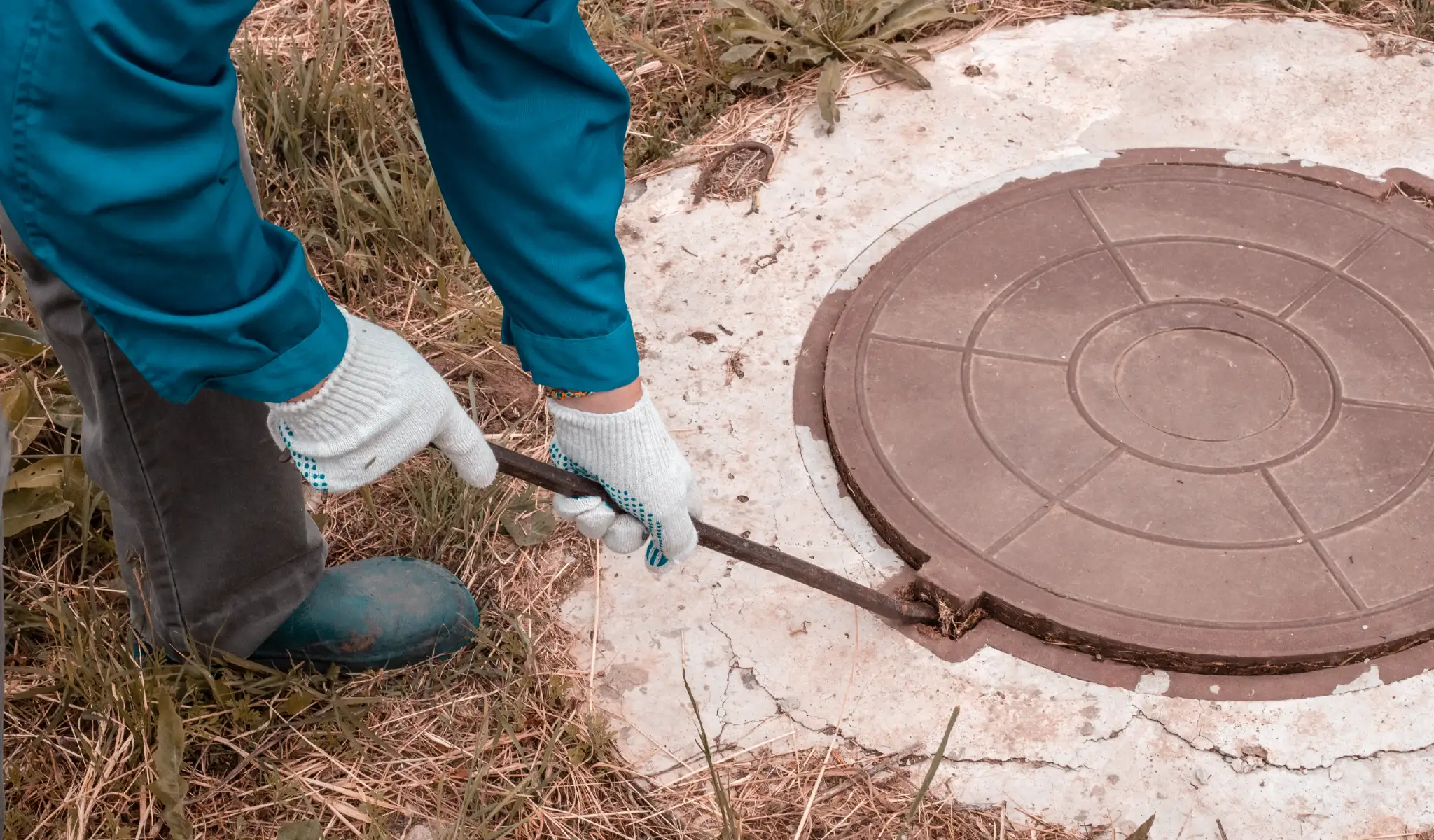
- Schedule regular inspections and pumping: The average septic tank should be pumped every three years or so, depending on your household size and usage. Miami Valley Septic Service offers professional maintenance and pumping services to help you stay on schedule.
The Result of Harmful Household
Product Use
Overload or damage due to harmful household products can pose serious threats to your septic system. The result can be:
- System backups or overflows, posing health hazards to your family and damage to your home
- Expensive repairs or full system replacements
- Contamination of groundwater and local water bodies, impacting public health and wildlife
In the end, it’s important to be mindful of your product choices. Engaging in regular maintenance and pumping of your septic system will serve to preserve the environment and your investment.
Request a Quote Today With Miami Valley Septic Service
Are you unsure about a product or have questions about your current septic system? Request a quote today from your local leader in Springfield OH septic system services. We’re here to help you make informed decisions that protect your home and the environment!