If you’re considering buying a new home and the house in question has a septic system, it’s important that you familiarize yourself with what this system does, why it should be inspected, and the questions you need to ask before signing on the dotted line. A home purchase is the biggest investment you will likely ever make, so avoiding surprises before you buy is a wise idea.
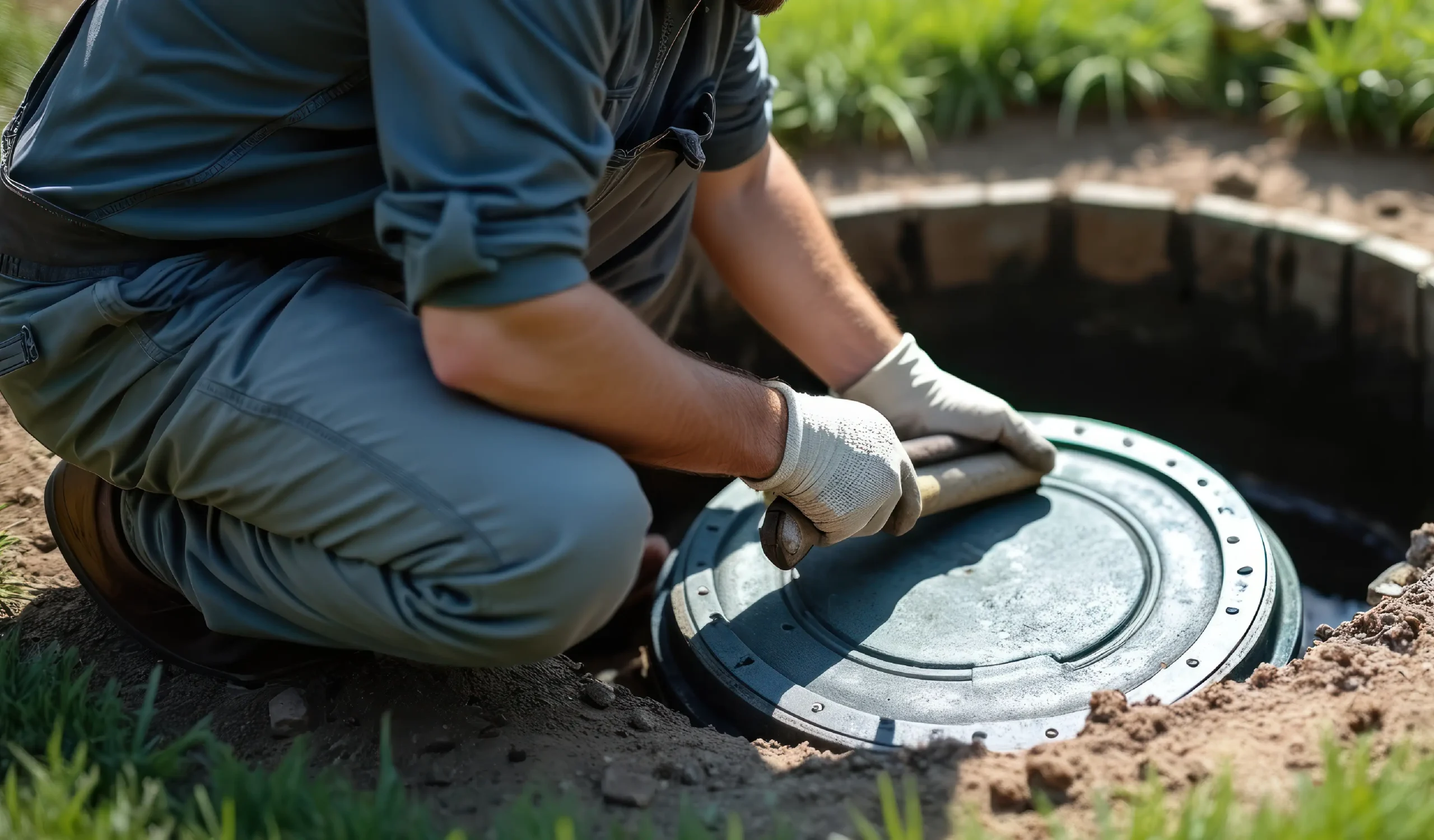
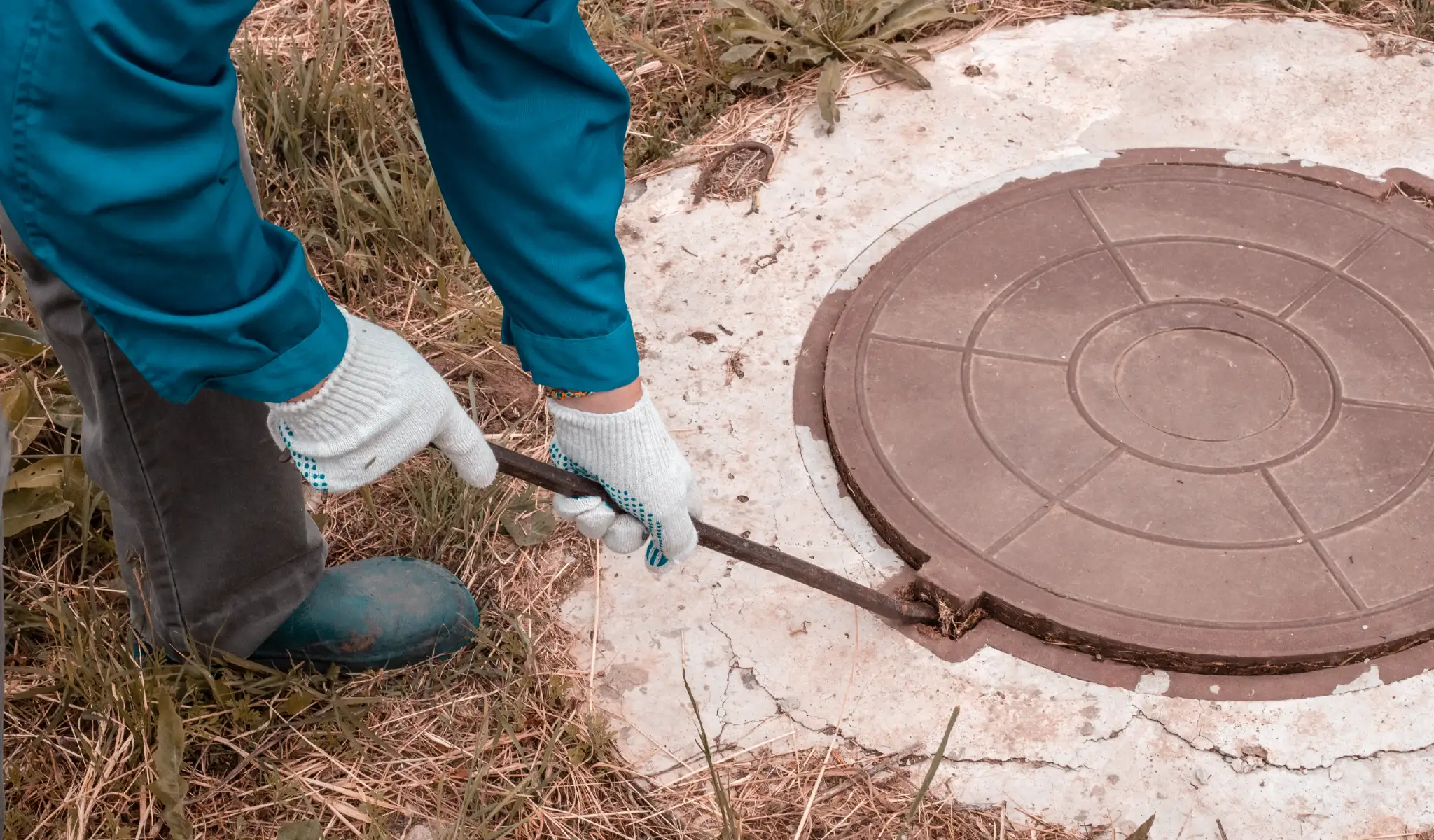
Just like other major appliances in a home, such as the HVAC system, the septic system is a major component that can get very expensive to repair or replace. It should be in good condition before you take ownership. This is why you should always have a septic tank inspection in Springfield OH by a professional prior to making homeownership official.
What Are Septic Systems?
Understanding how a septic system works is the first step.
Basically, a septic system comprises a pipe that is responsible for collecting all the home’s wastewater. This pipe transfers the wastewater underground and connects it to a septic tank where solids, or sludge, settle at the bottom. The floatable materials, known as scum, will float to the top.
In between those two is the effluent, or liquid wastewater. This effluent leaves the tank and goes into a drain field or leach field that is buried in your yard. This water slowly disperses into the soil. The job of a septic tank is to keep all the sludge and scum contained until the tank needs to be pumped out by a professional. This should be done every few years.
Different sizes of septic tanks need bigger drain fields and have different soil types for proper drainage. Conventional septic tank systems utilize biological and physical processes to treat the wastewater and then drain it. Advanced systems use more complex processes that often require higher costs and levels of maintenance for the homeowner, including annual monitoring and reporting.
What is Involved in a Septic Tank Inspection?
Before you purchase a home, you should have the septic system inspected by a professional. Some states require it by law or by your mortgage lender. The results of the inspection can help you make sure the house purchase is something you should move forward with.
Here’s what typically takes place during a septic system inspection in Miami Valley, according to the Environmental Protection Agency (EPA). The inspector will check:
- Pumping and maintenance records
- Age of septic system
- Scum thickness and sludge levels in tank
- Signs of leakage (i.e., low water levels in tank)
- Signs of backup (i.e., staining in tank above outlet pipe)
- Integrity of tank, outlet and inlet pipes
- Signs of failure in drainfield (i.e., standing water)
- Distribution box to ensure drain lines receive equal flow
- Available records to ensure compliance with local regulations re: function and location
Maintenance Tips For Your Septic System
Before you buy the home, you should think about what needs to be done regularly to maintain it so that you know what you’re getting into. Keep in mind that the typical lifespan of a septic system is between 20 and 40 years, but may last longer when well-maintained. Here’s what you can do to maintain your septic system every day.
First off, be careful about what you pour into your sink and toilet, and understand the impact it would have on your septic system. Throwing common household items down the toilet can do one of two things: either clog the system or kill off the helpful microbes that treat your wastewater.
- Cloggers: Diapers, baby wipes, cigarettes, cat litter, coffee grounds, grease, feminine hygiene products.
- Killers: Household chemicals, oil, gasoline, paint, pesticides, antifreeze, excessive use of anti-bacterial detergents and soaps.
Other tips to consider:
- Stagger the use of appliances so as not to overload the system.
- Install high-efficiency plumbing fixtures.
- Repair leaks in your home right away.
- Don’t park your car or other heavy equipment such as lawnmowers on the drainfield.
- Do not use, or at least limit the use of, a garbage disposal to reduce the amount of grease, fats, and solids that enter the septic system.
- Do not plant trees on top of the drainfield, as their roots can clog it up and lead to system failure.
- Keep excess water off the drainfield from irrigation systems.
Book Septic System Inspection With Miami Valley Septic Service
If you have your eye on a particular house but want a professional to look at it first, request a quote online for septic system inspections throughout the Miami Valley.