Key Takeaways
- Minor septic issues such as clogged filters or baffle damage can often be repaired without full system replacement.
- Major damage involving drain fields or collapsed tanks may require partial or complete system replacement.
- Routine septic pumping reduces the risk of major failures.
- Ignoring warning signs can turn small repairs into costly emergencies.
- Professional septic inspections in Dayton, Ohio, help determine whether repair or replacement is the right solution.
You may not give much thought to your septic system. After all, it’s located underground, quietly managing wastewater over the years. A well-maintained system will rarely give you a problem, but when something goes wrong, you may wonder: Is this a minor repair or something much bigger?
It’s important to understand the difference between minor and major septic damage so you can react in a timely manner and give your property the protection it deserves. Here in the Miami Valley, seasonal weather changes and soil conditions can impact the performance of your septic system.
Today we’ll talk about what can typically be repaired—and what may require more extensive solutions from your trusted septic tank technician in Dayton, Ohio.
Minor Septic Issues & What Can Be Repaired
Many septic problems start small. When addressed early, a repair will usually suffice without the need to replace the entire system. Let’s take a look at examples of minor damage that can get away with a repair.
1. Clogged Effluent Filters
Effluent filters keep solids from entering the drain field. When those filters get clogged, however, wastewater can back up into your home. According to the EPA, regular maintenance, including filter cleaning and pumping every three to five years, helps prevent premature system failure.
2. Damaged Baffles
Septic tank baffles direct wastewater flow and keep solids in the tank. However, in the event a baffle cracks or deteriorates, solids can enter the drain field in your yard. Repairing or replacing a baffle is a lot cheaper than repairing a failed drain field.
Even small internal components like septic tank baffles can save thousands of dollars in downstream damage.
3. Pipe Blockages
Tree roots, grease buildup, and foreign objects can clog septic pipes. Your septic system professional in Springfield, Ohio, may recommend hydro-jetting or pipe repair to restore proper flow without disturbing the tank or drain field.
4. Tank Lid or Riser Damage
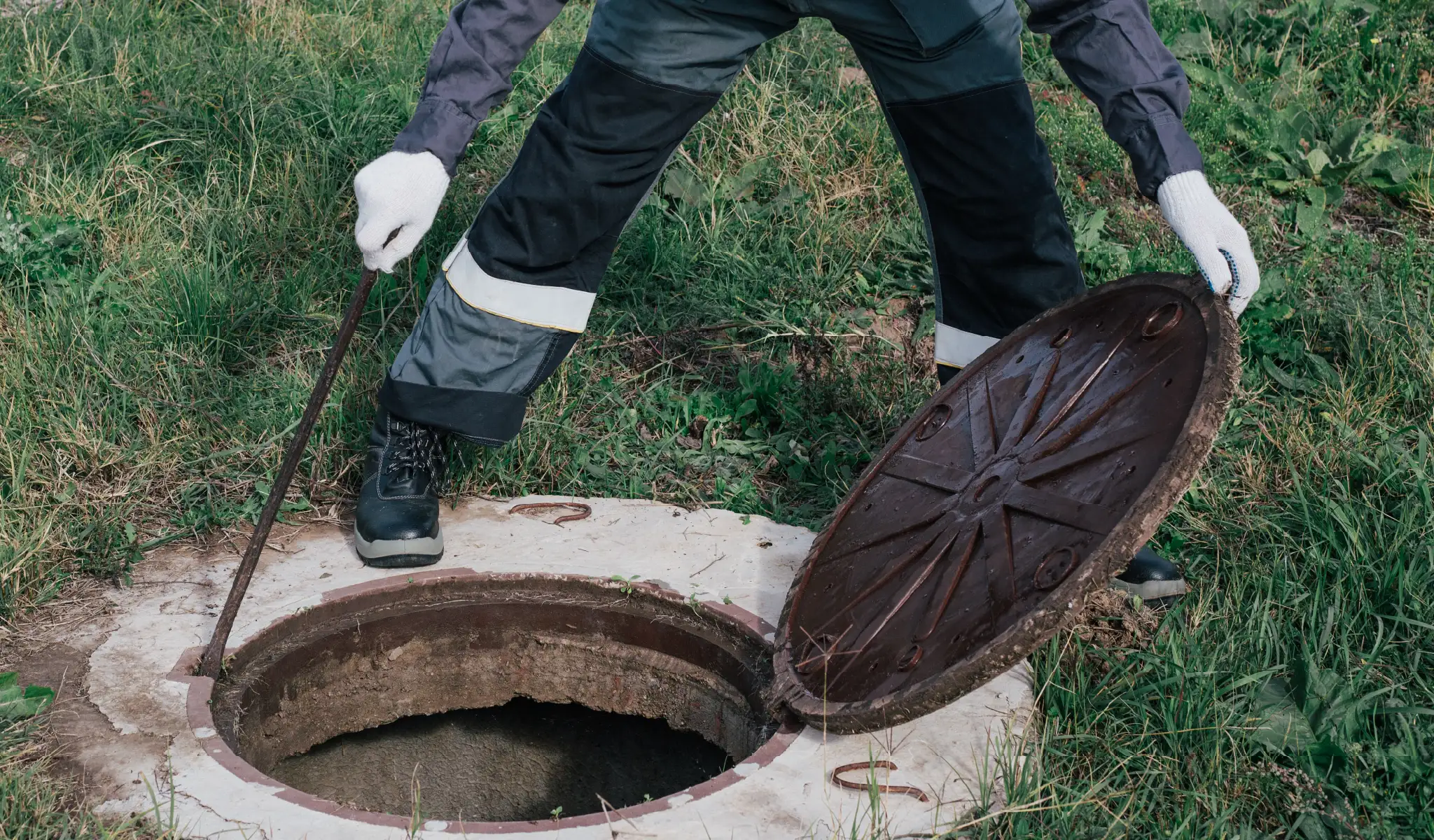
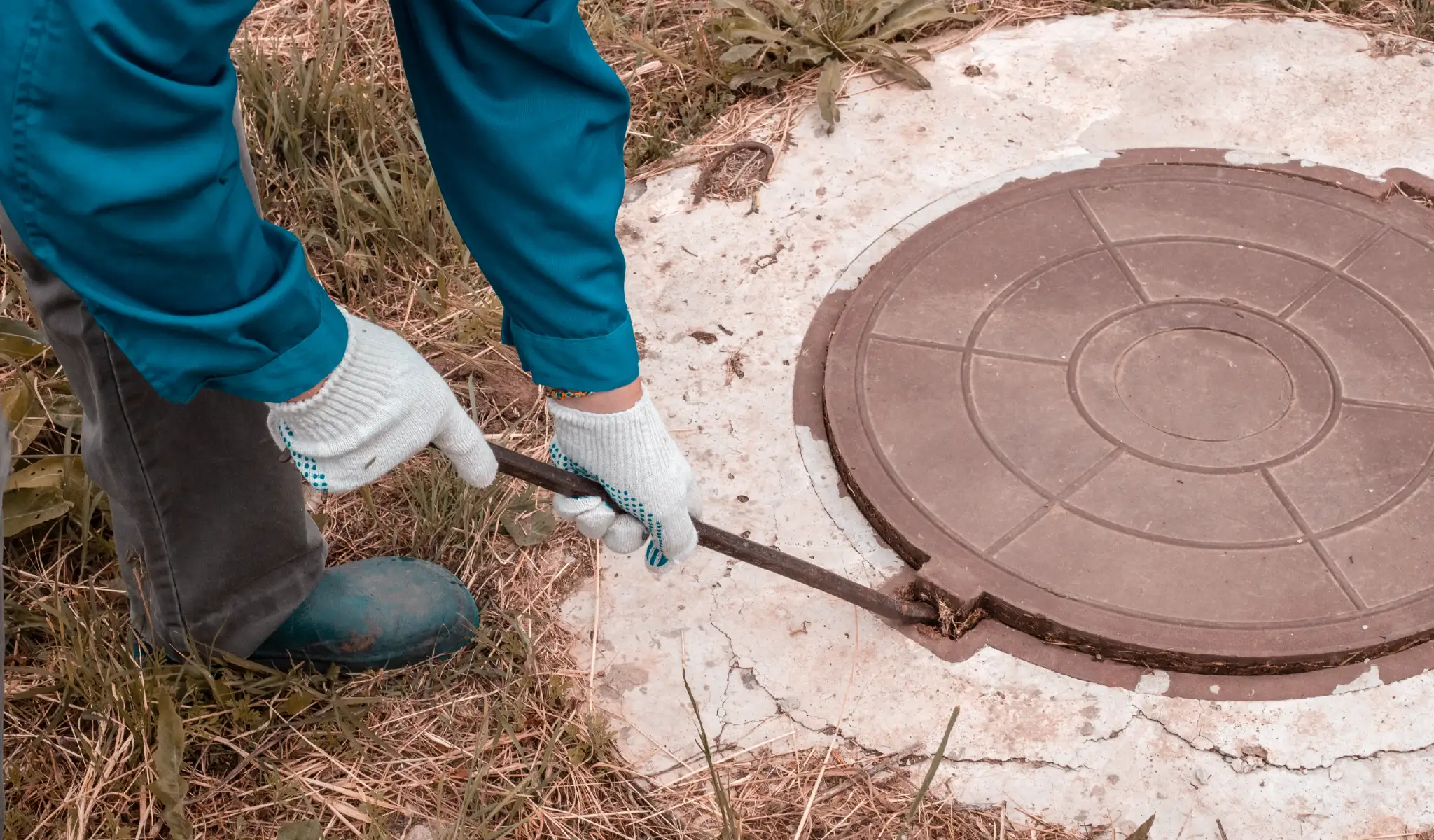
Cracked lids or failing risers pose safety risks and encourage groundwater intrusion. You can often replace these components without impacting the rest of the system.
Major Septic Damage & When Replacement Becomes Necessary
Some septic failures can’t be fixed with simple surface repairs. In these cases, you may need a partial or full system replacement.
1. Drain Field Failure
As one of the most expensive parts of a septic system, the drain field (AKA leach field) can get saturated or clogged with solids. As a result, wastewater cannot properly filter through the soil.
Signs of drain field failure include:
- Standing water above the drain field
- Strong sewage odors outdoors
- Slow drains throughout the home
- Lush green patches of grass in one area
The EPA notes that septic systems typically last 20–30 years with proper maintenance. However, without regular pumping, solids accumulate and can permanently damage the drain field.
When the drain field fails, repair options are limited. In some cases, partial drain field restoration is possible. In others, replacement is the only way to go.
2. Cracked or Collapsed Tank
Older septic tanks, particularly those made of steel, may corrode and collapse over time. Concrete tanks can crack due to soil shifting or freeze-thaw cycles common in Ohio winters. When structural integrity has been compromised, tank replacement is necessary for safety and compliance.
3. Severe Root Intrusion
Tree roots seeking moisture often infiltrate underground pipes or tanks, strangling them and causing blockages. While minor blockages may be cleared, severe intrusion can damage piping beyond repair.
The Cost Difference Between Minor & Major Repairs
The financial gap between early repair and full replacement can be significant.
The EPA points out that regular septic system maintenance costs range from $250 to $500 every three to five years compared with the cost of repairing or replacing a malfunctioning system, which can run between $5,000 and $15,000.
Preventing Major Septic Damage in the Miami Valley
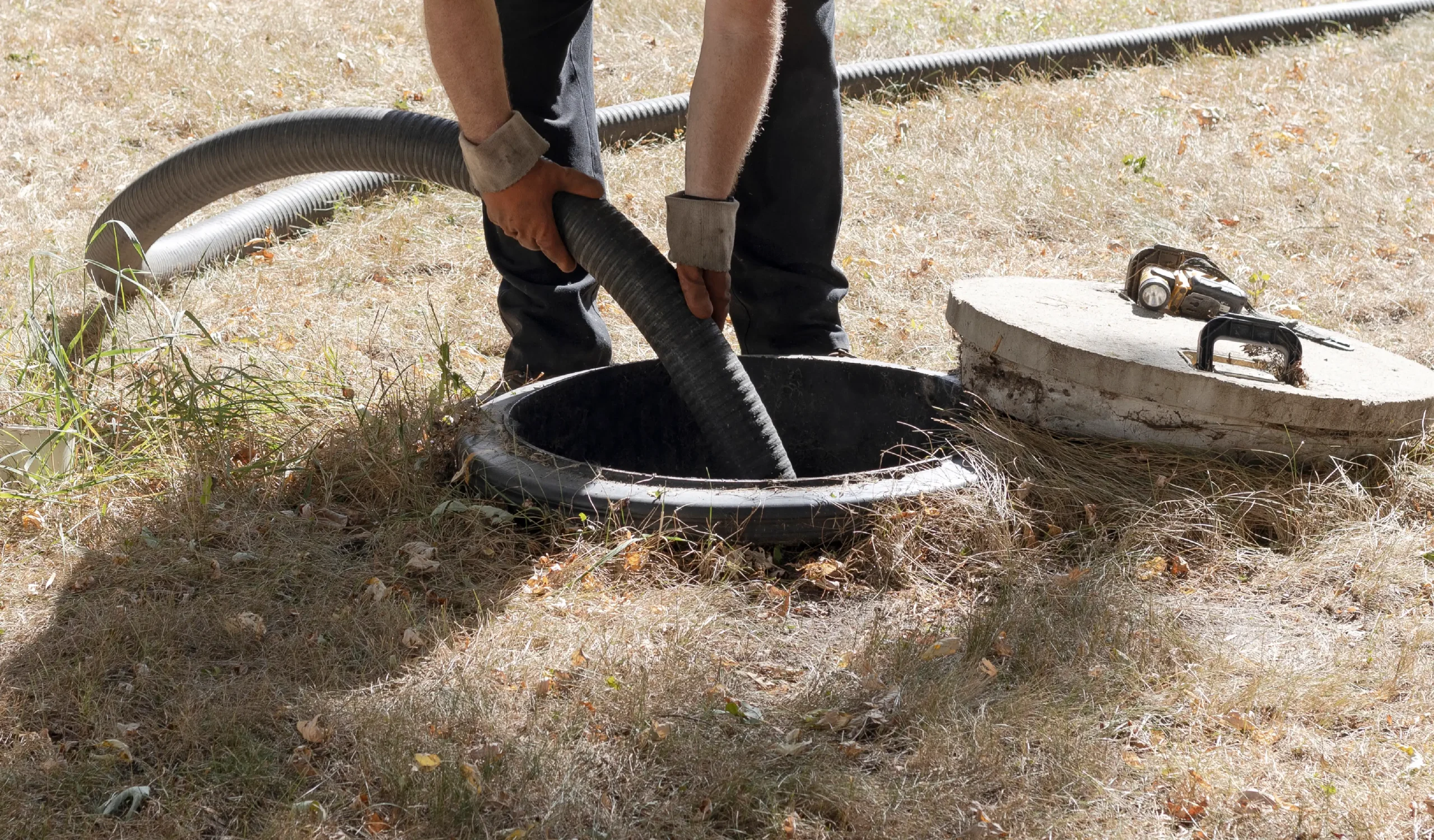
Routine septic pumping remains one of the most effective ways to prevent major system failure. The general rule of thumb is to have your tank pumped every three to five years depending on household size and usage.
As a homeowner, there are steps you can take to keep your septic system clean, such as by:
- Not flushing wipes or non-biodegradable products down the toilet
- Limiting grease disposal down drains
- Diverting surface water away from the drain field
- Scheduling regular septic inspections in Dayton OH and beyond
Signs Your Septic Damage Needs Immediate Attention
Being proactive in the face of septic system damage is imperative in keeping repair costs low and possibly avoiding a full replacement. Some warning signs indicate more urgent issues. Keep an eye out for:
- Sewage backups inside the home
- Gurgling sounds in plumbing
- Persistent foul odors
- Pooling wastewater in the yard
According to the CDC, untreated sewage exposure poses health risks due to harmful bacteria and pathogens.
FAQs: Septic System Damage
Q: How do I know if my septic issue is minor or major?
A: A professional inspection using diagnostic tools such as camera scopes or dye testing can determine the extent of damage. Minor issues typically involve internal components, while major damage affects structural elements like the tank or drain field.
Q: Can a drain field be repaired instead of replaced?
A: In some cases, yes. Aeration or soil remediation may improve performance. However, long-term saturation often requires replacement.
Q: How long does a septic system last in Ohio?
A: With proper maintenance, septic systems typically last 20–30 years. Soil type, water usage, and pumping frequency influence lifespan.
Q: Is septic pumping really necessary?
A: Yes. Regular pumping removes accumulated solids. Without it, solids enter the drain field and cause irreversible damage.
Q: Does homeowner’s insurance cover septic damage?
A: Coverage varies by policy. Sudden damage may be covered, while neglect-related failures typically are not.
Repair First, Replace Only When Necessary
Not every septic issue requires full system replacement. When caught and addressed early, many problems can be repaired efficiently, leading to a longer lifespan for your system. When you can tell the difference between minor and major septic damage, you can act with clarity instead of fear.
For property owners in the Miami Valley, regular inspections and maintenance are your best defense against major system failure.